Choosing between a screened and an open gazebo tent depends on your priorities for bug protection, weather shielding, and connection to nature. Screened gazebos offer superior insect protection and extended seasonal use, functioning as an outdoor room, while open gazebos provide unobstructed views and maximum airflow, ideal for temperate climates and seamless integration with the environment. This choice significantly impacts your experience, from protection against pests to seasonal usability and aesthetic appeal, with screened options generally costing more due to added materials and installation complexity.
Understanding Gazebo Tent Types
Before diving into the specifics of screened versus open designs, it’s helpful to understand the broader categories of gazebo tents available on the market. Gazebos are freestanding structures that serve as decorative focal points and functional outdoor shelters, often featuring a roof and supporting posts. They are distinct from canopies, which are generally more temporary, lightweight shelters, though sometimes the terms are used interchangeably for pop-up versions. The primary classification often revolves around their permanence and construction materials, which influences whether they are easily adapted to screened or open configurations.
You’ll encounter various designs, including patio gazebos which are permanent fixtures, pop-up gazebos designed for portability and quick assembly, and even specialized grill gazebos. Roof types also vary, with soft-top gazebos typically featuring fabric roofs for easier installation and seasonal storage, and hard-top gazebos boasting sturdy materials like metal or wood for enhanced durability and year-round weather resistance. These fundamental differences impact the longevity and structural integrity of your chosen gazebo, regardless of its screened or open nature.
Screened Gazebo Tents
A screened gazebo tent offers a haven from the elements and unwelcome guests, essentially creating an outdoor room. These structures typically feature fine mesh walls that enclose the space, keeping insects like mosquitoes and flies at bay while still allowing breezes to flow through. They are an excellent solution for anyone who loves spending time outdoors but dreads the incessant buzzing or biting that often accompanies warm weather.
Advantages of Screened Gazebo Tents
One of the most compelling advantages of a screened gazebo is the superior protection from insects. Imagine enjoying an evening meal or a quiet read without constantly swatting at bugs; this is the reality a screened gazebo provides. Beyond pests, the screens also offer a degree of protection from light rain and wind, extending your comfortable outdoor season well into cooler months or during humid summers. You can truly savor crisp autumn air without cool winds directly impacting your comfort.
Furthermore, screened gazebos provide enhanced privacy, making them feel more like an extension of your indoor living space. The enclosed nature also means your outdoor furniture, lighting, and décor stay cleaner and last longer, shielded from pollen, dust, and bird droppings, thus protecting your investment. This year-round usability and the added sense of an “extra room” can significantly increase the value and appeal of your property.
Disadvantages of Screened Gazebo Tents
|
Our Picks for the Best Gazebo Tent in 2026
As an Amazon Associate I earn from qualifying purchases.
|
||
| Num | Product | Action |
|---|---|---|
| 1 | LEEDOR Pop Up Screen House, 6-10-15 Person Outdoor Screen Tent,Camping Screen Room with Carry Bag, Screened Gazebo with Mosquito Netting, Instant UV Resistant Sun Shelter for Garden, Patio, Backyard |

|
| 2 | Screen House Tent 12x12ft Screen Room Mesh Gazebos w/ 2 Zipper Doors, Camping Tent Screened Canopy Shelter for Outdoor Patios Backyards Activities |
|
| 3 | East Oak 12×12 FT Pop Up Canopy Tent with Mesh | Outdoor Screen House with 6 Sunshades | Instant Canopy with Portable Carry Bag | Gazebo Tent for Camping, Patio, and Beach | Beige |
|
| 4 | Alvantor® Screen House Gazebo, Pop Up Igloo Screened Canopy Tent with Mosquito Netting Sides, Instant UV Resistant Sun Shelter for Garden, Patio, Backyard 2-6-10-15 Person |
|
| 5 | 12'x12' Camping Screen Tent - Portable Screen Canopy 8-10 Person&Instant UV Resistant Sun Shelter,Easy to Set Up&Mosquito Net Tent&Waterproof,Suitable for Family Camping Trip,Backyard,Picnic |
|
| 6 | East Oak Screen House Tent Pop-Up, Portable Screen Room Canopy Instant Screen Tent 10 x 10 FT with Carry Bag for Patio, Backyard, Deck & Outdoor Activities, Beige |
|
| 7 | Alvantor® Screen House Gazebo, Pop Up Igloo Screened Canopy Tent with Mosquito Netting Sides, Instant UV Resistant Sun Shelter for Garden, Patio, Backyard 2-6-10-15 Person |
|
| 8 | Alvantor® Screen House Gazebo, Pop Up Igloo Screened Canopy Tent with Mosquito Netting Sides, Instant UV Resistant Sun Shelter for Garden, Patio, Backyard 2-6-10-15 Person |
|
| 9 | VEVOR 6 x 6 ft Pop up Screen House Tent, 4-6 Person Portable Screen Gazebo, with Carry Bag, Netting Sides & Ground Stakes, Quick Setup, Screened Canopy for Garden, Patio & Backyard, and Outdoor, Beige |
|
| 10 | Gazelle Tents™, G6 6-Sided Portable Gazebo, Easy Pop-Up Hub Screen Tent, Durable, TriTech Mesh, Waterproof, UV Resistant, 8-Person & Table, Desert Sand, 86" x 124" x 124", GG602DS |
|
While the benefits are clear, screened gazebos do come with certain drawbacks. The screens, while offering protection, can slightly obstruct views, making the connection to the surrounding nature feel less direct. Depending on the screen material and mesh density, it might slightly reduce natural airflow compared to an entirely open structure, sometimes making the space feel more enclosed.
Additionally, screened gazebos often entail a higher initial cost due to the added materials and complexity of installation for the screening system. Maintenance can also be a consideration; while they keep interior elements cleaner, the screens themselves require cleaning to remove dirt, pollen, and debris to maintain visibility and airflow. If not properly ventilated, especially when used over a hot tub, enclosed setups can lead to issues like condensation, mildew, and corrosion.
> “Choosing between a screened or open gazebo often comes down to your local climate and how you envision using the space. For bug-prone areas or those seeking extended seasonal comfort, screening is invaluable.” – ReviewKari Admin, Gazebo Technician
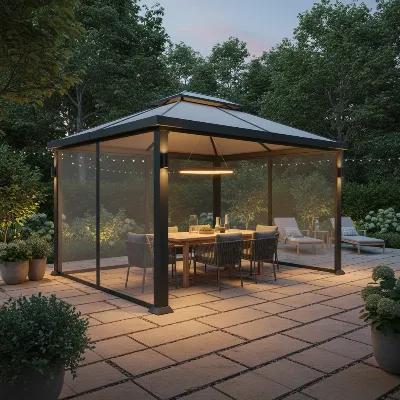 A modern screened gazebo tent on a patio, offering a bug-free dining space with outdoor furniture.
Open Gazebo Tents
An open gazebo tent, characterized by its roof supported by posts with no permanent walls or screens, embodies the classic image of an outdoor pavilion. These structures are designed to provide shade and a defined space while maintaining an unobstructed connection to the environment. They invite the natural world in, offering a truly open-air experience that can be incredibly refreshing on a beautiful day.
Advantages of Open Gazebo Tents
The most prominent advantage of an open gazebo is the unobstructed views and unrestricted airflow. Without screens or walls, you enjoy panoramic vistas of your garden or landscape, feeling completely immersed in your surroundings. This openness allows for maximum natural ventilation, making the space exceptionally cool and breezy on warm days, perfect for those who prioritize a strong connection to nature.
Open gazebos are generally more affordable than their screened counterparts, as they require fewer materials and simpler construction. Their inviting nature and easy access make them ideal for larger gatherings, allowing guests to flow seamlessly between the gazebo and the rest of the yard. Furthermore, if you prefer the flexibility, many open designs can be accessorized with removable privacy curtains or mesh netting as needed, offering a “best of both worlds” scenario without the commitment of permanent screens.
Disadvantages of Open Gazebo Tents
The very openness that defines these gazebos also gives rise to their main disadvantages. Open gazebo tents offer no protection from insects, meaning mosquitoes, flies, and other pests can freely enter and disrupt your relaxation or gatherings. This can be a significant drawback in areas with high insect populations, limiting the times you can comfortably use the space.
They also provide less privacy compared to screened or enclosed options, as there are no barriers to obscure views from neighbors or passersby. Furthermore, open designs offer limited protection from adverse weather conditions such as strong winds, driving rain, or intense sun exposure from specific angles. While they provide shade from overhead sun, direct sun can still be an issue during certain parts of the day, and inclement weather will quickly make the space unusable.
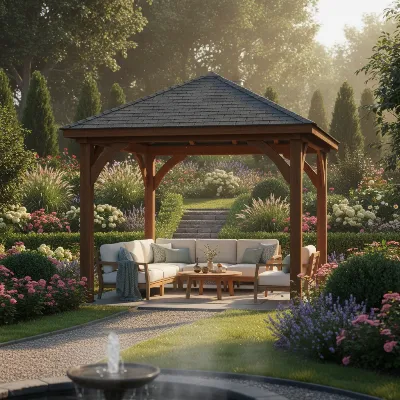 An elegant open gazebo tent in a vibrant garden, perfect for unhindered views and fresh air.
Comparing Screened vs. Open Gazebo Tents
The choice between a screened and an open gazebo truly depends on your priorities, climate, and how you intend to use the space. Do you value bug-free comfort and extended seasonal use above all else, or do you crave uninhibited views and maximum airflow? Consider the unique characteristics of each to determine which aligns best with your outdoor living dreams.
| Feature | Screened Gazebo Tents | Open Gazebo Tents |
|---|---|---|
| Bug Protection | Excellent (fine mesh keeps pests out) | None (fully exposed to insects) |
| Weather Shield | Good (protects from light rain, wind, overhead sun) | Limited (primarily overhead sun, some rain protection) |
| Airflow | Moderate (screens can slightly restrict) | Excellent (unrestricted natural breezes) |
| Views | Slightly obstructed (screens are visible) | Unobstructed (panoramic connection to outdoors) |
| Privacy | High (screens offer a sense of enclosure) | Low (fully open, less secluded) |
| Seasonal Use | Extended (comfortable in spring, summer, fall) | Limited (best in pleasant, bug-free weather) |
| Cost | Higher (due to screens and more complex construction) | Lower (simpler design, fewer materials) |
| Maintenance | Screens require cleaning, frame maintenance | Frame and roof maintenance (screens not a factor) |
| Feel | Outdoor room, protected retreat | Open-air lounge, natural immersion |
This comparison highlights that screened gazebos offer a more controlled and protected environment, ideal for those in bug-prone regions or who desire a multi-season outdoor space. Open gazebos, conversely, are perfect for individuals who want an unfiltered connection with nature, prioritizing expansive views and maximum ventilation on temperate days.
Guide to Choosing Your Ideal Gazebo Tent
Selecting the right gazebo tent involves carefully considering several factors that go beyond just screened or open. By defining your priorities, you can ensure your investment brings lasting enjoyment and functionality to your outdoor space. Let’s explore the key elements to guide your decision-making process.
Determine Your Purpose and Climate
What is the primary function of your gazebo? Will it be a tranquil reading nook, an al fresco dining area, a party hub, or a hot tub enclosure? If you dream of dining outdoors every summer evening, protection from bugs might be non-negotiable, pushing you towards a screened option. If you live in a mild climate with few insects and simply want shade over a fire pit, an open gazebo might suffice. Your local climate is also critical; high humidity and rampant insect activity will heavily favor a screened design, while breezy, pleasant conditions might suit an open one.
Select the Right Size and Location
Consider the available space in your yard and the size of the activities you plan for the gazebo. Measure your intended area carefully to ensure the gazebo fits comfortably without overcrowding. A larger gazebo might be necessary for entertaining multiple guests or housing a full dining set, while a smaller one could create an intimate retreat. Also, think about the ground where it will be placed – a flat, well-drained surface is crucial for stability, especially for more permanent structures.
Choose Quality Materials for Durability
The materials of your gazebo’s frame and canopy are paramount for its longevity and performance.
- Frame Material: Options typically include wood, aluminum, and steel. Aluminum frames are lightweight, rust-resistant, and low-maintenance, making them excellent for both permanent and more modular designs. Steel frames offer superior strength and durability, often found in heavy-duty or hard-top gazebos, but may require rust treatment. Wood gazebos provide a classic aesthetic but demand more maintenance and are generally permanent fixtures.
- Canopy/Roof Material: Soft-top gazebos usually feature polyester or PVC-coated polyester. Look for fabrics that are waterproof, UV-resistant, and tear-resistant. Hard-top gazebos often have roofs made from steel, aluminum, or polycarbonate, designed to withstand harsh weather like heavy snowfall and intense UV exposure for decades.
Consider Additional Features
Many gazebos offer features that enhance their functionality:
- Sidewalls and Curtains: Even open gazebos can often be fitted with removable privacy curtains for occasional seclusion or mesh netting for temporary insect protection. Some screened gazebos feature sliding panels or roll-down weather screens for ultimate flexibility.
- Ventilation: For screened or enclosed gazebos, especially those covering hot tubs, good ventilation is crucial to prevent condensation and mildew. Look for designs with two-tiered roofs that promote airflow.
- Anchoring: Ensure your gazebo can be securely anchored to the ground, especially for larger or more permanent structures, to withstand windy conditions.
Popular Gazebo Tent Brands to Consider
When investing in a gazebo, choosing a reputable brand known for quality and durability can make a significant difference in your long-term satisfaction. While many manufacturers produce excellent products, some brands consistently receive high marks for their robust construction, innovative features, and customer satisfaction.
- Sunjoy: Often praised for their hard-top gazebos, Sunjoy offers durable steel or aluminum structures with ventilated two-tier roofs. Their designs are known to withstand significant wind and snow loads, making them a strong choice for those seeking a permanent, weather-resistant solution.
- Outsunny: This brand provides a range of pop-up and garden gazebos, often with side walls or netting options. They are frequently reviewed for their balance of affordability and decent performance, especially for seasonal garden use or events.
- All Seasons Gazebos: As the name suggests, this brand focuses on heavy-duty pop-up gazebos designed for various weather conditions. They are known for sturdy steel frames and waterproof canopies, offering quick and reliable shelter.
- MasterCanopy: Recognized for heavy-duty steel frame pop-up gazebos with fully waterproof covers. Many users attest to their impressive build quality and resilience against challenging weather conditions like heavy downpours and wind.
- Gorilla Gazebo: This brand is noted for its commercial-grade pop-up gazebos with robust steel frames and cross-truss roof designs, ensuring stability and durability in demanding environments.
These brands offer a variety of options, from permanent hard-top structures to portable pop-up designs, catering to both screened and open configurations. When choosing, always check product-specific reviews and warranty information to ensure it meets your expectations for quality and support.
Essential Maintenance and Cleaning Tips for Your Gazebo Tent
No matter if you choose a screened or open gazebo, proper care is crucial to extend its lifespan and keep it looking its best. Regular maintenance prevents wear and tear, protects materials from the elements, and ensures your outdoor retreat remains a clean and inviting space for years to come. Neglecting maintenance can lead to mildew, rust, and premature degradation of your gazebo’s components.
Routine Cleaning Practices
Maintaining a clean gazebo is simpler with consistent effort.
- Remove Debris: Regularly brush off loose dirt, leaves, and cobwebs from both the roof and frame. This prevents accumulation that can lead to stains or damage.
- Gentle Washing: For a deeper clean, mix a mild detergent with lukewarm water. Use a soft brush, mop, or sponge to apply the solution, starting from the roof and working your way down. Avoid harsh chemicals, bleach, or high-pressure washers, as these can strip protective coatings or damage fabric and seams.
- Target Stains: For stubborn spots like tree sap or bird droppings, dampen the area and let the soapy solution sit for a few minutes before gently wiping. A mixture of warm water and white vinegar can tackle mildew.
- Rinse and Dry Thoroughly: After washing, rinse all surfaces completely with clean water to remove any soap residue. Crucially, allow the canopy and any fabric components to air dry fully before packing away or covering. Storing a damp gazebo is the primary cause of mold and mildew.
Preserving Frame and Fabric
Beyond general cleaning, specific care for different materials ensures their longevity:
- Frame Care: For metal frames, inspect regularly for signs of rust and treat affected areas with rust-resistant products. Ensure all bolts, joints, and fixings remain tight, as movement can loosen connections over time. Wooden frames may require occasional sealing or staining to protect against weathering.
- Canopy and Screen Care: If your gazebo has a removable canopy or screens, store them in a dry, cool place during the off-season or when not in use for extended periods. Consider applying a waterproofing spray to fabric canopies if they start showing signs of diminished water resistance after extended use. For screened gazebos, carefully clean the mesh to maintain visibility and airflow without tearing the delicate material.
Seasonal Checks and Repairs
Performing a quick inspection every few weeks, or at least seasonally, can prevent minor issues from becoming major problems. Check for any tears in the canopy or screens, and repair them promptly to prevent further damage. Ensure your gazebo is always securely anchored, especially if you live in an area prone to strong winds. By following these simple maintenance tips, your gazebo tent, whether screened or open, will continue to be a cherished part of your outdoor living space for many seasons.
Conclusion
Choosing between a screened and an open gazebo tent is a pivotal decision that shapes your outdoor living experience. Screened gazebos offer a protected, bug-free sanctuary, extending your outdoor season and preserving your furniture from the elements. They are the ideal choice for those in insect-heavy climates or who prioritize privacy and multi-seasonal comfort. Conversely, open gazebos provide an unparalleled connection to nature with unobstructed views and maximum airflow, perfect for temperate climates and those who cherish an uninhibited, expansive outdoor feel.
Ultimately, the best gazebo tent is the one that aligns perfectly with your lifestyle, climate, and how you envision using your outdoor space. By carefully considering factors such as purpose, size, material, and maintenance, you can confidently select a gazebo that enhances your backyard for years to come. What kind of unforgettable memories will you create under your chosen gazebo this year?
Frequently Asked Questions
What are the main differences between screened and open gazebo tents?
Screened gazebo tents feature fine mesh walls that keep insects out and offer enhanced privacy, making them ideal for bug-prone areas. Open gazebo tents have no permanent walls, providing unobstructed views and maximum airflow, best suited for temperate climates where insect protection is less critical.
Which type of gazebo offers better protection from insects and weather?
Screened gazebos offer superior protection from insects like mosquitoes and flies due to their mesh walls. They also provide good shielding from light rain and wind, extending comfortable outdoor use into cooler seasons. Open gazebos offer no insect protection and limited weather shielding, primarily from overhead sun.
Are screened gazebos more expensive than open gazebos?
Yes, screened gazebos generally have a higher initial cost compared to open gazebos. This is due to the additional materials required for the screening system and the increased complexity of their installation. Open gazebos are typically more affordable because of their simpler design and fewer components.
How does airflow compare between screened and open gazebo tents?
Open gazebo tents provide excellent, unrestricted natural airflow, making them exceptionally cool and breezy on warm days. Screened gazebos offer moderate airflow; while breezes can pass through the mesh, the screens can slightly restrict natural ventilation, making the space feel more enclosed.
Can an open gazebo be modified to offer insect protection?
Yes, many open gazebo designs can be accessorized with removable privacy curtains or mesh netting. This allows for temporary insect protection or added seclusion when needed, offering a flexible solution without the commitment of permanent screens.
How to Choose Your Ideal Gazebo Tent
Selecting the perfect gazebo tent involves considering your purpose, local climate, available space, and material preferences to ensure lasting enjoyment and functionality.
Identify the primary function of your gazebo, such as dining, relaxation, or entertaining. Consider your local climate; high humidity and insect activity favor screened options, while mild, breezy conditions suit open designs.
Measure your intended area to ensure the gazebo fits comfortably without overcrowding. A larger gazebo accommodates multiple guests, while a smaller one creates an intimate retreat. Choose a flat, well-drained surface for stability.
Opt for durable frame materials like rust-resistant aluminum or strong steel for longevity. For canopies, look for waterproof, UV-resistant polyester or PVC-coated polyester for soft-tops, or steel, aluminum, or polycarbonate for hard-tops.
Look for features like removable privacy curtains or mesh netting for open gazebos, or sliding panels for screened ones. Ensure good ventilation, especially for enclosed spaces, and confirm the gazebo can be securely anchored to withstand wind.

We bought a screened gazebo, thinking it would be perfect for our family gatherings. While the insect protection is good, the installation was a bit more complex than I anticipated. It took us a full weekend to get it set up properly, and we had to get some extra tools. It’s functional now, but just be prepared for the extra effort.
We got a screened gazebo for our backyard last summer and it’s been a game-changer. The bug protection is amazing, especially in the evenings when the mosquitos are out. It really does feel like an extra outdoor room, and we’ve been able to use our patio much more often. Definitely worth the investment for the extended seasonal use.
I’ve had both types over the years, and for me, the screened option wins out every time. The ability to enjoy the outdoors without being constantly swarmed by pests is priceless. It’s true they generally cost more, but for the comfort and peace of mind, it’s totally worth it. Makes a huge difference for evening dinners outside.
I opted for an open gazebo for our deck, and I’m pretty happy with it. The unobstructed views are fantastic, and it really blends well with our garden. We live in a pretty temperate climate, so the maximum airflow is great. My only minor complaint is that sometimes the sun can be a bit much in the middle of the day, but that’s easily solved with a good umbrella.