Revitalizing an old gazebo tent canvas through DIY waterproofing can significantly extend its lifespan and functionality, saving replacement costs. This process typically involves thorough cleaning, inspecting for damage, and applying specialized waterproofing treatments like sprays, solutions, or seam sealers. For instance, cotton canvas benefits from a traditional seasoning method, while synthetic materials often require specific chemical treatments to restore their water-repellent properties.
Understanding Gazebo Tent Canvas
Gazebo tent canvas, often made from cotton, polyester, or blends, is chosen for its durability and breathability. These qualities make it an excellent material for outdoor shelters, providing shade and allowing air circulation. However, constant exposure to sunlight, rain, and environmental pollutants gradually degrades the canvas’s protective properties. UV rays break down fibers, and dirt accumulation can trap moisture, leading to mildew and reduced water resistance. Even naturally water-resistant canvas will eventually succumb to wear and tear, developing microscopic pores and weakening seams that allow water to seep through. Understanding this degradation is the first step in effectively restoring its protective barrier.
Essential Preparation for Waterproofing
Before you can effectively waterproof your gazebo tent canvas, thorough preparation is key. This stage ensures that the waterproofing treatment adheres properly and performs optimally, giving you the best possible results and extending the life of your gazebo. For gazebo tents buying guides on this site.
Cleaning Your Gazebo Canvas
Cleaning is arguably the most crucial step. Any dirt, mildew, or residue left on the canvas will prevent the waterproofing agent from bonding correctly, leading to uneven protection and premature failure. Start by carefully removing the canvas from its frame. Lay it flat on a clean, hard surface or hang it if space allows. Use a soft brush or sponge with a mild detergent mixed with warm water. Avoid harsh chemicals or bleach, as these can damage the fabric fibers and strip away any remaining protective coatings. Gently scrub away any visible dirt, stains, or mildew, paying special attention to areas with heavy build-up. Rinse the canvas thoroughly with clean water, ensuring all soap residue is gone. It’s imperative to allow the canvas to air dry completely before proceeding. Any residual moisture can hinder the waterproofing process and encourage mold growth.
Inspecting for Damage
Once your canvas is clean and dry, take the time for a detailed inspection. Look closely for any signs of damage such as small tears, punctures, frayed edges, or weakened stitching, especially around seams and stress points. Minor tears can be repaired using specific fabric repair kits, often involving adhesive patches or strong, outdoor-grade thread for stitching. For compromised seams, a dedicated seam sealer can be applied to reinforce them. Addressing these issues beforehand prevents water from penetrating through structural weaknesses, ensuring your waterproofing efforts are not undermined by simple holes or gaps. This meticulous inspection and repair work will significantly contribute to the overall effectiveness and longevity of your gazebo’s renewed protection.
DIY Methods to Waterproof Your Gazebo Canvas
There are several effective DIY methods to waterproof your gazebo canvas, ranging from traditional techniques to modern product applications. Each method targets different aspects of water resistance, and often a combination yields the best results.
Method 1: Canvas Seasoning (Weathering)
|
Our Picks for the Best Gazebo Tent in 2026
As an Amazon Associate I earn from qualifying purchases.
|
||
| Num | Product | Action |
|---|---|---|
| 1 | Alvantor® Screen House Gazebo, Pop Up Igloo Screened Canopy Tent with Mosquito Netting Sides, Instant UV Resistant Sun Shelter for Garden, Patio, Backyard 2-6-10-15 Person |

|
| 2 | Alvantor® Screen House Gazebo, Pop Up Igloo Screened Canopy Tent with Mosquito Netting Sides, Instant UV Resistant Sun Shelter for Garden, Patio, Backyard 2-6-10-15 Person |
|
| 3 | 12'x12' Camping Screen Tent - Portable Screen Canopy 8-10 Person&Instant UV Resistant Sun Shelter,Easy to Set Up&Mosquito Net Tent&Waterproof,Suitable for Family Camping Trip,Backyard,Picnic |
|
| 4 | Screen House Tent 12x12ft Screen Room Mesh Gazebos w/ 2 Zipper Doors, Camping Tent Screened Canopy Shelter for Outdoor Patios Backyards Activities |
|
| 5 | East Oak 12×12 FT Pop Up Canopy Tent with Mesh | Outdoor Screen House with 6 Sunshades | Instant Canopy with Portable Carry Bag | Gazebo Tent for Camping, Patio, and Beach | Beige |
|
| 6 | Gazelle Tents™, G6 6-Sided Portable Gazebo, Easy Pop-Up Hub Screen Tent, Durable, TriTech Mesh, Waterproof, UV Resistant, 8-Person & Table, Desert Sand, 86" x 124" x 124", GG602DS |
|
| 7 | East Oak Screen House Tent Pop-Up, Portable Screen Room Canopy Instant Screen Tent 10 x 10 FT with Carry Bag for Patio, Backyard, Deck & Outdoor Activities, Beige |
|
| 8 | VEVOR 6 x 6 ft Pop up Screen House Tent, 4-6 Person Portable Screen Gazebo, with Carry Bag, Netting Sides & Ground Stakes, Quick Setup, Screened Canopy for Garden, Patio & Backyard, and Outdoor, Beige |
|
| 9 | Alvantor® Screen House Gazebo, Pop Up Igloo Screened Canopy Tent with Mosquito Netting Sides, Instant UV Resistant Sun Shelter for Garden, Patio, Backyard 2-6-10-15 Person |
|
| 10 | LEEDOR Pop Up Screen House, 6-10-15 Person Outdoor Screen Tent,Camping Screen Room with Carry Bag, Screened Gazebo with Mosquito Netting, Instant UV Resistant Sun Shelter for Garden, Patio, Backyard |
|
Canvas seasoning, also known as weathering, is a traditional and highly effective method for cotton canvas. It works by causing the natural fibers of the canvas to expand and contract, tightening the weave and sealing microscopic gaps that can allow water penetration. To season your canvas, first, ensure it is set up on its frame, or at least fully spread out in a sunny, dry location. With all zippers and flaps closed, thoroughly wet the entire canvas with a garden hose, saturating every inch until it’s completely soaked. Allow the canvas to dry completely in the sun. As it dries, the fibers will naturally shrink and tighten. For maximum effectiveness, especially with an older canvas, repeat this wetting and drying process two to three times. This simple yet powerful method enhances the canvas’s inherent water resistance without any chemical applications.
Method 2: Applying Waterproofing Sprays and Solutions
For a more robust and longer-lasting solution, especially for synthetic canvas materials or for added protection on cotton canvas, applying a specialized waterproofing spray or solution is highly recommended. These products create a durable, water-repellent barrier on the fabric surface. Popular brands often include products like 303 Fabric Guard, Nikwax, or Scotchgard Outdoor Water Shield, which are formulated to repel water while resisting UV degradation.
Before application, ensure your gazebo canvas is clean and completely dry. Set up the canvas in a well-ventilated area, ideally outdoors on a calm, non-windy day to ensure even coverage. Shake the product well if it’s a spray. Hold the can or applicator nozzle about 6-8 inches away from the fabric and apply an even coat over the entire surface. If using a brush-on solution, distribute it uniformly. Pay close attention to seams, corners, and areas that experience high exposure to rain. Allow the first coat to dry completely according to the manufacturer’s instructions, which typically takes a few hours. For optimal protection, especially on older or heavily weathered canvas, apply a second light coat. This method provides strong protection against water and often includes UV inhibitors to prolong the life of your canvas.
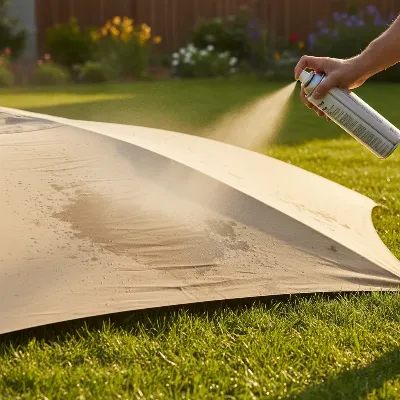 Applying waterproofing spray evenly on old gazebo canvas for DIY protection
Method 3: Seam Sealing
Seams are inherent weak points in any fabric structure, as the stitching creates tiny needle holes that can allow water to seep through. Even after general waterproofing, these areas can remain vulnerable. Seam sealing specifically targets these critical points to create a waterproof barrier. You will need a dedicated seam sealer, often available in a tube with a fine applicator tip or a small brush.
Identify all stitched seams on your gazebo canvas, both on the top and underside. Ensure these areas are clean and dry. Apply a thin, even layer of the seam sealer directly along each seam line. Work methodically to cover all stitching. Be careful not to apply too much, as excess sealer can become tacky or crack over time. Allow the seam sealer to dry completely as per product instructions before moving or folding the canvas. This focused application dramatically reduces the likelihood of leaks at the most common entry points.
Choosing the Right Waterproofing Product
Selecting the appropriate waterproofing product is vital for successful long-term results. The best choice depends on your canvas material, desired level of protection, and ease of application.
Consider the type of canvas material – cotton, polyester, or a blend. Some products are universal, while others are specifically formulated for natural or synthetic fibers. Always check the product label for compatibility. Look for products that offer UV protection in addition to waterproofing. UV inhibitors help prevent the sun’s rays from breaking down the fabric and the waterproofing treatment itself, extending the lifespan of both. Ease of application is also a factor; sprays are generally quicker for large areas, while brush-on solutions can offer more precise application and thicker coverage. Finally, consider durability and how long the protection is expected to last, which often correlates with the product’s quality and concentration. Reputable brands that specialize in outdoor fabric care are usually a safe bet for reliable performance.
Step-by-Step DIY Waterproofing Process
Embarking on this DIY project can seem daunting, but by breaking it down into manageable steps, you’ll find it straightforward and rewarding. Follow these stages for optimal waterproofing.
- Remove and Clean: Carefully detach the canvas from your gazebo frame. Wash it thoroughly with a mild detergent and warm water, scrubbing gently to remove all dirt, mildew, and residues. Rinse completely until no soap remains, then allow it to air dry entirely. This ensures a clean surface for the waterproofing agents.
- Inspect and Repair: Once dry, lay out the canvas and meticulously inspect it for any tears, holes, or weakened stitching. Use a fabric repair kit for tears and reinforce frayed areas to ensure the structural integrity of the canvas before applying any treatments.
- Season the Canvas (Optional but Recommended): For cotton canvas, this step is highly beneficial. Re-mount the clean, repaired canvas on the frame or lay it out fully. Hose it down thoroughly with water, allowing the fibers to expand. Let it dry completely. Repeat this process two to three times to maximize natural water resistance.
- Apply Seam Sealer: With the canvas still set up and dry (after seasoning, if applicable), apply a thin, even layer of seam sealer to all stitched seams, both internal and external. Pay particular attention to areas around zippers, corners, and where panels join. Allow the sealer to dry fully according to the manufacturer’s directions.
- Apply Waterproofing Treatment: Ensure the canvas is dry. In a well-ventilated area, apply your chosen waterproofing spray or solution evenly across the entire surface of the canvas. Hold sprays 6-8 inches away and work in sections, ensuring complete coverage. For brush-on solutions, use smooth, consistent strokes. Allow the first coat to dry completely before applying a second coat if recommended by the product or if you desire maximum protection.
- Final Inspection: Once all applications are dry, lightly spray a section of the canvas with water, simulating rainfall. Observe if the water beads up and rolls off without soaking into the fabric. Check the underside for any signs of leakage. If you find any wet spots, apply a targeted touch-up application to those specific areas and retest.
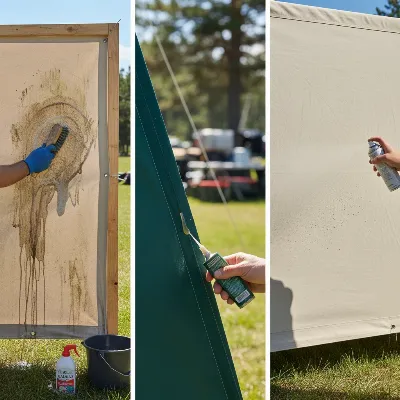 DIY waterproofing process for old gazebo tent canvas on lawn
Maintenance Tips for Long-Lasting Waterproofing
Waterproofing is not a one-time fix; it’s an ongoing commitment to the longevity of your gazebo. Proper maintenance practices will ensure your canvas remains protected and functional for years to come.
Regular Cleaning
Prevention is key. Regularly clean your gazebo canvas to prevent the build-up of dirt, pollen, leaves, and other debris. These can trap moisture and encourage the growth of mold and mildew, which not only look unsightly but also degrade the fabric and its waterproofing. A simple wipe-down with a damp cloth or a gentle hose-off can often suffice. For more stubborn grime, use a mild soap and water solution, ensuring thorough rinsing and drying afterward. This proactive approach significantly extends the life of your waterproofing treatment.
Proper Storage
When your gazebo is not in use, especially during off-seasons or extended periods of inclement weather, proper storage is crucial. Always ensure the canvas is absolutely bone-dry before folding and storing it. Storing a damp canvas is an open invitation for mold, mildew, and unpleasant odors, which can rapidly destroy both the fabric and its waterproofing. Fold the canvas neatly to avoid creasing that can stress the material. Store it in a cool, dry, and well-ventilated area, ideally in a breathable storage bag, to protect it from pests, dust, and further moisture.
Timely Reapplication
The effectiveness of any waterproofing treatment will diminish over time due to exposure to UV rays, rain, and general wear. The frequency of reapplication depends on several factors: how often your gazebo is used, the severity of the weather conditions it faces, and the specific product you initially used. A good rule of thumb is to visually inspect your canvas annually. If you notice water no longer beads up effectively or if the fabric starts to look dull and absorbent, it’s time to reapply. Don’t wait until leaks appear; proactive reapplication will ensure continuous protection and keep your gazebo in top condition.
“Maintaining your gazebo canvas through regular waterproofing isn’t just about extending its life; it’s about preserving countless outdoor memories, rain or shine.” – Sarah Jenkins, Outdoor Fabric Specialist
Conclusion
Revitalizing your old gazebo tent canvas through a DIY waterproofing project is a smart investment that extends the life and enjoyment of your outdoor space. By following these essential steps—from meticulous cleaning and inspection to applying the right waterproofing treatments and diligent maintenance—you can restore your gazebo’s ability to provide a dry, comfortable, and inviting retreat. This process not only saves money on replacement costs but also ensures your gazebo remains a cherished feature of your garden for many seasons to come. With a little effort, your gazebo will be ready to host new memories, protected from whatever the weather brings. What outdoor adventure will your waterproof gazebo host next?
Frequently Asked Questions
How often should I waterproof my gazebo?
The frequency depends on usage and weather exposure, but an annual inspection and reapplication every 1-3 years is generally recommended, or when water no longer beads on the surface.
Can I waterproof a torn canvas?
Minor tears should be repaired before waterproofing using a fabric repair kit. Waterproofing agents won’t seal physical damage, and repairing them first ensures the integrity of the canvas.
What’s the difference between water-resistant and waterproof?
Water-resistant means a material can resist water penetration to some degree but may eventually soak through. Waterproof implies the material is impermeable to water, offering complete protection against liquid penetration under normal conditions.
Can I use household items for waterproofing?
It’s not recommended to use household items like wax or tarps directly on the canvas as they can be ineffective, damage the fabric, or create a sticky mess. Always use products specifically designed for outdoor fabric waterproofing.
How long does waterproofing last?
The lifespan of waterproofing varies based on the product quality, canvas material, environmental exposure (especially UV rays), and frequency of use. High-quality treatments can last several years, while others may require annual reapplication.
Frequently Asked Questions
How often should I waterproof my gazebo tent canvas?
You should inspect your gazebo canvas annually and consider reapplication every 1-3 years, or when you notice water no longer beads effectively on the surface. Factors like usage frequency and weather exposure influence this timeline.
Can a torn gazebo canvas be waterproofed effectively?
Minor tears and damage on a gazebo canvas must be repaired using a fabric repair kit before applying any waterproofing treatments. Waterproofing agents do not seal physical damage, so pre-repair ensures the canvas's integrity and prevents leaks.
What is the distinction between water-resistant and waterproof materials?
Water-resistant materials can resist some water penetration but may eventually soak through, while waterproof materials are impermeable to water, offering complete protection under normal conditions. This distinction is crucial when selecting products for your gazebo.
Are household items suitable for waterproofing a gazebo canvas?
It is not recommended to use household items like wax or tarps for waterproofing your gazebo canvas. These can be ineffective, potentially damage the fabric, or create an undesirable sticky residue. Always use products specifically designed for outdoor fabric waterproofing.
How long can I expect a waterproofing treatment to last on my gazebo?
The lifespan of a waterproofing treatment varies, typically lasting from 1 to several years. Key factors include the quality of the product, the canvas material (e.g., cotton vs. polyester), environmental exposure to UV rays and rain, and how frequently the gazebo is used.
DIY Waterproofing Your Gazebo Tent Canvas
This guide outlines a step-by-step process to revitalize and waterproof your old gazebo tent canvas, ensuring it remains protected from the elements for years.
Carefully detach the canvas from its frame. Wash it thoroughly with a mild detergent and warm water, gently scrubbing to remove all dirt, mildew, and residues. Rinse completely until no soap remains, then allow it to air dry entirely to ensure a clean surface for waterproofing.
Once the canvas is dry, lay it out and meticulously inspect for tears, holes, or weakened stitching. Use a fabric repair kit for tears and reinforce frayed areas to ensure the structural integrity of the canvas before applying any treatments. This prevents water penetration through physical damage.
With the canvas clean and dry, apply a thin, even layer of dedicated seam sealer to all stitched seams, both internal and external. Pay particular attention to areas around zippers, corners, and where panels join. Allow the sealer to dry fully according to the manufacturer's directions.
Ensure the canvas is completely dry. In a well-ventilated area, apply your chosen waterproofing spray or solution evenly across the entire surface of the canvas. Hold sprays 6-8 inches away and work in sections for complete coverage. Allow the first coat to dry completely before applying a second if recommended.
Once all applications are dry, lightly spray a section of the canvas with water to simulate rainfall. Observe if the water beads up and rolls off without soaking into the fabric. Check the underside for any signs of leakage; if wet spots are found, apply a targeted touch-up and retest.

This was exactly what I needed! My gazebo is a few years old, and the sun and rain had really taken a toll on the canvas. I followed the cleaning and treatment steps for synthetic materials, and it feels like I have a brand new gazebo. It’s great to know I can extend its life instead of having to replace it every few years.
Great advice here. I appreciated the tip about inspecting for damage before starting. My cotton canvas gazebo needed a bit more than just cleaning; I had a small tear I patched up first. The traditional seasoning method for cotton was new to me, but it seems to have done the trick. It’s not quite as good as brand new, but it’s a huge improvement.
I tried the seam sealer on my older gazebo, and while it helped with some of the drips, I still have a few spots that are letting water through. Maybe my canvas was just too far gone, or I didn’t apply it perfectly. It’s better than before, but I was hoping for complete waterproofing. Still, good info on the different material types.
I was about to buy a whole new gazebo because my old one was leaking like crazy, but then I found this. The DIY waterproofing steps were super clear. I used a spray treatment on my polyester canvas, and it worked wonders! We had a huge downpour last weekend, and everything stayed perfectly dry underneath. Definitely saved me a lot of money.