A torn gazebo canopy can quickly turn your outdoor sanctuary into a soggy, sun-exposed disappointment. Most tears in gazebo tent canopy fabric can be effectively repaired using a combination of adhesive patches, waterproof fabric glue, and heavy-duty sewing, extending the life of your canopy and restoring its protective qualities. This guide outlines the essential steps and supplies needed to mend damage, from small snags to significant rips, ensuring your gazebo remains a comfortable haven.
Understanding Gazebo Canopy Fabric
Gazebo canopies are designed to endure the elements, but even the most robust materials have their limits. Understanding the common types of fabric used and why they tear is the first step toward a successful repair. Most canopies are crafted from durable materials like polyester, often with a PVC coating, or polyethylene (PE), known for its resilience. Some premium options may feature vinyl or even specialized outdoor fabrics like Sunbrella, offering enhanced UV resistance and waterproofing.
Tears typically occur due to a combination of factors. Prolonged exposure to harsh UV rays can degrade the fabric over time, making it brittle and prone to ripping. Strong winds can cause the canopy to flap violently against the frame, creating stress points that lead to fraying or tearing. Accidental snags from sharp objects, improper storage, or even the natural aging process can also contribute to fabric deterioration and tears. For best gazebo tents roundups on this site.
Assessing the Damage
Before you dive into repairs, a thorough assessment of the damage is crucial. The size, location, and nature of the tear will dictate the most effective repair method.
Begin by carefully inspecting the entire canopy, not just the obvious tear. Look for hidden holes, weak spots, or areas where the fabric shows signs of excessive wear. Small tears, typically up to 2-3 inches, are often simpler to fix with adhesive patches or fabric glue. Larger rips, especially those over 3 inches, or tears along a seam, will generally require a more robust solution, such as sewing or specialized vinyl patches. Pay close attention to the fabric’s condition around the tear; if it’s heavily degraded, discolored, or brittle, the repair might not hold long-term, suggesting a full canopy replacement could be more practical.
Essential Repair Supplies
Having the right tools at hand makes all the difference in achieving a strong, lasting repair. Here’s a list of essential supplies you’ll likely need:
- Fabric Repair Kits: These often include various adhesive patches, which are excellent for quick and easy fixes. Look for brands like Tear Mender, Tenacious Tape, or specialized vinyl repair kits.
- Adhesives:
- Waterproof Fabric Glue: Products like Gorilla Fabric Glue are highly recommended for their waterproof, flexible, and permanent bond.
- Vinyl Cement: If your canopy is made of vinyl, this specialized adhesive creates a strong chemical bond.
- Seam Sealer: Essential for re-sealing compromised seams and reinforcing stitched repairs.
- Sewing Supplies:
- Heavy-duty Needle and Thread: Opt for UV-resistant, waxed polyester or nylon thread for maximum durability against outdoor elements.
- Thimble: Protects your fingers while sewing through tough fabric.
- Cleaning Supplies:
- Rubbing Alcohol or Mild Soap and Water: For thoroughly cleaning the repair area.
- Clean Cloths: For drying and applying cleaners.
- Cutting Tools: Sharp scissors are vital for trimming frayed edges and cutting patches.
- Measuring Tape or Ruler: For accurately sizing patches.
- Marker or Chalk: To outline the repair area.
- Fabric Clamps or Weights: To hold fabric flat during application and curing.
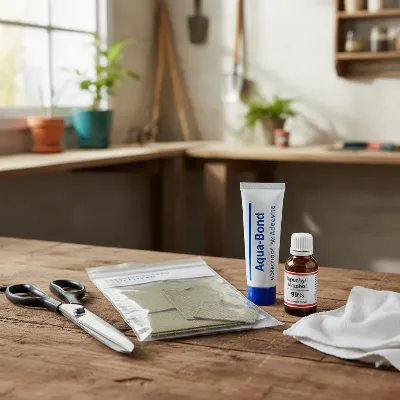 Essential tools and materials for repairing a gazebo tent canopy tear, including patches, glue, scissors, and cleaning supplies on a workbench.
Step-by-Step Repair Guide
Follow these steps to mend your gazebo canopy effectively, ensuring a durable and weather-resistant repair.
Preparation
|
Our Picks for the Best Gazebo Tent in 2026
As an Amazon Associate I earn from qualifying purchases.
|
||
| Num | Product | Action |
|---|---|---|
| 1 | Alvantor® Screen House Gazebo, Pop Up Igloo Screened Canopy Tent with Mosquito Netting Sides, Instant UV Resistant Sun Shelter for Garden, Patio, Backyard 2-6-10-15 Person |

|
| 2 | East Oak 12×12 FT Pop Up Canopy Tent with Mesh | Outdoor Screen House with 6 Sunshades | Instant Canopy with Portable Carry Bag | Gazebo Tent for Camping, Patio, and Beach | Beige |
|
| 3 | Gazelle Tents™, G6 6-Sided Portable Gazebo, Easy Pop-Up Hub Screen Tent, Durable, TriTech Mesh, Waterproof, UV Resistant, 8-Person & Table, Desert Sand, 86" x 124" x 124", GG602DS |
|
| 4 | East Oak Screen House Tent Pop-Up, Portable Screen Room Canopy Instant Screen Tent 10 x 10 FT with Carry Bag for Patio, Backyard, Deck & Outdoor Activities, Beige |
|
| 5 | Alvantor® Screen House Gazebo, Pop Up Igloo Screened Canopy Tent with Mosquito Netting Sides, Instant UV Resistant Sun Shelter for Garden, Patio, Backyard 2-6-10-15 Person |
|
| 6 | Screen House Tent 12x12ft Screen Room Mesh Gazebos w/ 2 Zipper Doors, Camping Tent Screened Canopy Shelter for Outdoor Patios Backyards Activities |
|
| 7 | VEVOR 6 x 6 ft Pop up Screen House Tent, 4-6 Person Portable Screen Gazebo, with Carry Bag, Netting Sides & Ground Stakes, Quick Setup, Screened Canopy for Garden, Patio & Backyard, and Outdoor, Beige |
|
| 8 | Alvantor® Screen House Gazebo, Pop Up Igloo Screened Canopy Tent with Mosquito Netting Sides, Instant UV Resistant Sun Shelter for Garden, Patio, Backyard 2-6-10-15 Person |
|
| 9 | LEEDOR Pop Up Screen House, 6-10-15 Person Outdoor Screen Tent,Camping Screen Room with Carry Bag, Screened Gazebo with Mosquito Netting, Instant UV Resistant Sun Shelter for Garden, Patio, Backyard |
|
| 10 | 12'x12' Camping Screen Tent - Portable Screen Canopy 8-10 Person&Instant UV Resistant Sun Shelter,Easy to Set Up&Mosquito Net Tent&Waterproof,Suitable for Family Camping Trip,Backyard,Picnic |
|
- Remove the Canopy (If Possible): For fixed-frame gazebos, carefully detach the canopy from the frame. Laying the canopy flat on a clean, dry surface like a garage floor or large table makes the repair process much easier and safer, preventing further stress on the fabric.
- Clean the Area: Using a mild, oil-free cleaning solution or simple soap and water, thoroughly clean both sides of the canopy around the tear. This removes dirt, dust, and any residues that could prevent the adhesive from bonding properly. Rinse well.
- Dry the Fabric Completely: Moisture is the enemy of most adhesives. Ensure the repair area is bone-dry before proceeding. You can air-dry it or gently pat it with a clean towel.
- Trim Loose Threads: Use sharp scissors to carefully trim any frayed or loose threads around the tear. This creates a clean edge for the patch to adhere to and prevents further unraveling.
Repairing Small Tears (Up to 2-3 inches)
For minor damage, adhesive patches and fabric glue offer quick and effective solutions.
- Adhesive Patches: These are often peel-and-stick and very convenient. For best results, apply one patch to the inside of the canopy first, ensuring it covers the tear by at least an inch on all sides. Press firmly to secure. For added strength and waterproofing, apply a second patch to the outside, aligning it carefully. Rounding the corners of your patch before applying can help prevent peeling.
- Fabric Glue with a Small Patch: Cut a piece of matching or clear repair fabric, again extending at least an inch beyond the tear. Apply a thin, even layer of waterproof fabric glue to the edges of the tear and to one side of the patch. Carefully press the patch onto the tear, smoothing out any air bubbles. If possible, apply a patch on both the inside and outside for maximum durability.
Repairing Medium to Large Tears (Over 3 inches)
Larger tears require more robust methods, often combining adhesive and sewing for maximum strength.
- Sewn-on Patches: Cut a patch from a similar material to your canopy, ensuring it overlaps the tear by at least 2 inches on all sides. Round the corners. For best results, use a double-patch method:
- Apply a patch to the underside of the canopy using waterproof fabric glue, pressing firmly. Allow it to cure partially.
- Apply another patch to the topside, aligning it precisely over the first.
- Once the glue has set (but is still flexible), stitch around the edges of the patch using a heavy-duty needle and UV-resistant thread. An X-pattern or box stitch across the tear itself can provide additional resistance against pressure from multiple directions.
- Using a Sewing Machine: If you have access to a heavy-duty sewing machine capable of handling thick outdoor fabrics, this offers the most professional and durable repair. Use a strong, straight stitch or a zigzag stitch around the patch edges.
- Reinforcing with Seam Sealer: After any sewn repair, apply a seam sealer over the stitches to ensure waterproofing and prevent thread degradation.
Repairing Seams
When a seam starts to unravel, it compromises the entire canopy’s integrity.
- Seam Sealer Application: For minor seam separations, thoroughly clean and dry the area. Apply a generous bead of seam sealer along the loosened seam, pressing the fabric edges together. Allow ample time to cure.
- Re-stitching Loose Seams: For more significant seam damage, you’ll need to re-stitch. Trim any loose threads. Use a heavy-duty needle and waxed, UV-resistant thread. Ensure your stitches are close together and secure to re-establish the seam’s integrity. Follow up with seam sealer for waterproofing.
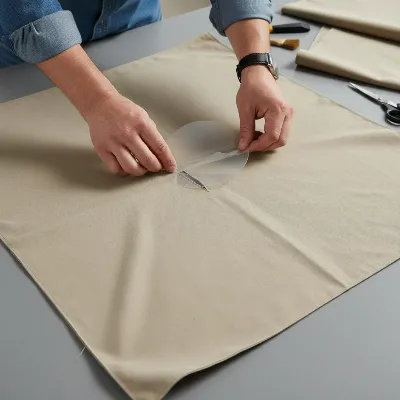 A person’s hands carefully applying a repair patch to a gazebo tent canopy tear, demonstrating a step in the repair process.
Tips for a Durable Repair
A successful repair isn’t just about covering a hole; it’s about creating a bond that lasts.
- Matching Fabric Type: Whenever possible, use a repair patch made from the same material as your canopy. This ensures consistent flexibility, UV resistance, and overall durability. “Using the same material helps with both appearance and the long-term integrity of the repair,” notes an expert in outdoor fabric maintenance.
- Allowing Curing Time: Adhesives need time to achieve maximum strength. Always follow the manufacturer’s instructions for curing times, which can range from 24 to 72 hours. Avoid folding, moving, or exposing the repaired area to moisture during this period.
- Waterproofing the Repair: Even if your adhesive is waterproof, consider applying a waterproof sealant or spray over the entire repaired area. This creates an extra layer of protection against rain and moisture, especially crucial for stitched repairs.
- Considering UV Protection: Prolonged sun exposure can degrade both the original fabric and the repair materials. After the repair is fully cured, you might apply a UV-protective spray designed for outdoor fabrics to the entire canopy, paying special attention to the repaired section.
When to Replace Your Gazebo Canopy
While many tears are repairable, there comes a point when replacement is the more practical and cost-effective option.
- Extensive Damage: If your canopy has numerous large rips, significant fraying across multiple sections, or structural tears near pole attachments, the integrity may be too compromised for an effective repair.
- Fabric Degradation: When the entire canopy fabric shows widespread signs of brittleness, severe fading, or becomes chalky to the touch, it indicates advanced UV degradation. At this stage, new tears are likely to form quickly, and any patch will struggle to adhere to the weakened material.
- Cost-Effectiveness of Repair vs. Replacement: Weigh the cost of repair materials, your time, and the expected lifespan of the repair against the cost of a new canopy. Sometimes, investing in a fresh canopy offers better long-term value and peace of mind.
Preventative Maintenance to Avoid Tears
Prevention is always better than cure. Simple maintenance can significantly extend your gazebo canopy’s life.
- Proper Storage: When not in use, especially during off-seasons or severe weather, always remove your canopy. Clean it thoroughly, ensure it’s completely dry to prevent mildew, and store it in a cool, dry place, ideally in its original bag or a protective container.
- Securing in Wind: Strong winds are a primary cause of canopy damage. Always ensure your gazebo frame is properly anchored and the canopy is securely attached. Consider using additional tie-downs or weights in windy conditions.
- Regular Cleaning: Periodically clean your canopy to remove dirt, debris, and mildew. This prevents accumulation that can degrade the fabric and keeps it looking fresh.
- UV Protection Sprays: Applying a UV-protective spray to your canopy annually can help shield the fabric from damaging sun rays, slowing down degradation and maintaining its color and strength.
Conclusion
A tear in your gazebo tent canopy fabric doesn’t have to spell disaster for your outdoor retreat. By understanding your canopy’s material, accurately assessing the damage, and meticulously following the appropriate repair steps, you can restore its functionality and aesthetic appeal. Remember that preparation is key, and choosing the right supplies for the job will lead to a durable, waterproof fix. While repair offers a cost-effective solution for many, recognizing when a replacement is necessary will ensure your outdoor space remains a safe and beautiful haven. Don’t let a small rip detract from your enjoyment—take action, repair your canopy, and keep your gazebo ready for any weather. How will you make sure your gazebo canopy stays pristine and protected for seasons to come?
Frequently Asked Questions
How long do gazebo canopy repairs typically last?
The lifespan of a gazebo canopy repair varies depending on the severity of the tear, the quality of materials used, and exposure to elements. A well-executed repair using high-quality, waterproof, and UV-resistant materials can last several years, often for the remaining life of the canopy, especially with proper maintenance.
Can I use duct tape for a quick gazebo canopy repair?
While duct tape might seem like a quick fix, it is generally not recommended for long-term gazebo canopy repairs. Duct tape often fails under heat, moisture, and strong winds, and its adhesive can leave a sticky residue that is difficult to remove and can attract dirt, further damaging the fabric.
Is it better to sew or glue a tear in the canopy?
For small tears, high-quality fabric glue or adhesive patches can provide a strong, waterproof seal. For larger tears or those in high-stress areas like seams, sewing offers superior durability and strength, especially when reinforced with waterproof glue or seam sealer. The best approach often combines both methods.
How do I prevent mold or mildew after a repair?
To prevent mold and mildew after a repair, ensure the repaired area, and indeed the entire canopy, is completely dry before folding or storing. Using a waterproof adhesive or seam sealer also helps keep moisture out. Regularly cleaning your canopy and storing it in a dry, well-ventilated area are essential preventative measures.
What kind of patch material should I use for my gazebo?
Ideally, use a patch material that is the same type as your original canopy (e.g., polyester for polyester, vinyl for vinyl). If an exact match isn’t available, choose a strong, flexible, waterproof, and UV-resistant outdoor fabric repair material. Many universal repair kits offer clear or color-matched patches suitable for various outdoor fabrics.
Frequently Asked Questions
How long do gazebo canopy repairs typically last?
A well-executed gazebo canopy repair using high-quality, waterproof, and UV-resistant materials can last several years, often for the remaining life of the canopy. The durability depends on the tear's severity, material quality, and exposure to elements, with proper maintenance extending its lifespan.
Can I use duct tape for a quick gazebo canopy repair?
No, duct tape is generally not recommended for long-term gazebo canopy repairs. It often fails under heat, moisture, and strong winds, and its adhesive can leave a sticky residue that is difficult to remove, potentially attracting dirt and further damaging the fabric.
Is it better to sew or glue a tear in the canopy?
For small tears (up to 2-3 inches), high-quality fabric glue or adhesive patches provide a strong, waterproof seal. For larger tears (over 3 inches) or those in high-stress areas like seams, sewing offers superior durability and strength, especially when reinforced with waterproof glue or seam sealer. Combining both methods is often the best approach for larger damage.
How do I prevent mold or mildew after a repair?
To prevent mold and mildew after a repair, ensure the repaired area and the entire canopy are completely dry before folding or storing. Using a waterproof adhesive or seam sealer helps keep moisture out. Regular cleaning and storing the canopy in a dry, well-ventilated area are essential preventative measures.
What kind of patch material should I use for my gazebo?
Ideally, use a patch material that is the same type as your original canopy, such as polyester for polyester or vinyl for vinyl. If an exact match is unavailable, choose a strong, flexible, waterproof, and UV-resistant outdoor fabric repair material. Many universal repair kits offer clear or color-matched patches suitable for various outdoor fabrics.
How to Repair a Tear in Your Gazebo Tent Canopy Fabric
This guide provides step-by-step instructions to effectively mend tears in your gazebo canopy fabric, ensuring a durable and weather-resistant repair.
Remove the canopy from its frame if possible and lay it flat on a clean, dry surface. Thoroughly clean both sides of the canopy around the tear using a mild, oil-free solution or soap and water to remove dirt and residues. Ensure the area is completely dry before proceeding, then trim any frayed or loose threads around the tear with sharp scissors to create a clean edge.
For small tears, use adhesive patches or fabric glue. Apply one peel-and-stick patch to the inside of the canopy, covering the tear by at least an inch on all sides, and press firmly. For added strength, apply a second patch to the outside, aligning it carefully. If using fabric glue, cut a repair fabric piece extending an inch beyond the tear, apply a thin layer of waterproof fabric glue to the tear edges and patch, then press the patch onto the tear, smoothing air bubbles.
For larger tears, combine adhesive and sewing. Cut a patch from similar material, overlapping the tear by at least 2 inches on all sides, and round the corners. Apply a patch to the underside with waterproof fabric glue, then another to the topside, aligning precisely. Once the glue is partially cured, stitch around the patch edges using a heavy-duty needle and UV-resistant thread, possibly with an X-pattern or box stitch over the tear for extra resistance. Reinforce with seam sealer.
For minor seam separations, clean and dry the area thoroughly, then apply a generous bead of seam sealer along the loosened seam, pressing fabric edges together. For significant seam damage, re-stitch the seam using a heavy-duty needle and waxed, UV-resistant thread, ensuring close and secure stitches. Follow up with seam sealer for waterproofing and to prevent thread degradation.
Allow all adhesives to cure fully, following manufacturer instructions (typically 24-72 hours), avoiding folding or moisture exposure during this time. Apply a waterproof sealant or spray over the entire repaired area, especially for stitched repairs, to create an extra layer of protection. Consider applying a UV-protective spray to the entire canopy, focusing on the repaired section, to slow degradation from sun exposure.

I had a pretty bad tear in my gazebo tent canopy fabric from a strong wind, and I thought it was a goner. The tips on using adhesive patches really made a difference. It was much easier than I thought to extend the life of my canopy, and it looks almost good as new. Highly recommend trying these methods before buying a replacement.
The guide was helpful for understanding the different fabric types. I tried to mend a significant rip on my polyethylene canopy using the heavy-duty sewing method, but it was a bit more challenging than I expected to get it perfectly waterproof. It’s better than before, but still leaks a tiny bit in heavy rain.
I followed the advice here for repairing a tear in my polyester canopy with a PVC coating. The combination of adhesive patches and fabric glue worked really well for a medium-sized rip. It’s holding up nicely after a few rain showers. Definitely saved me from buying a whole new canopy!
This guide was a lifesaver! My gazebo canopy had a small snag that was starting to get bigger, and I was worried I’d have to replace the whole thing. The step-by-step instructions for using waterproof fabric glue were super clear. My outdoor sanctuary is back to being perfect for summer evenings.