Heating a gazebo tent safely in winter is entirely possible and can transform it into a warm, inviting retreat, extending its usability into colder months. The safest methods involve using electric or infrared heaters combined with robust insulation strategies like heavy-duty sidewalls and insulated flooring, alongside vigilant ventilation and carbon monoxide detection. This approach ensures your outdoor haven remains cozy and secure when temperatures drop, allowing for comfortable relaxation or entertaining.
Types of Gazebo Heaters
Selecting the appropriate heating method is the first critical step toward a warm winter gazebo. Different heaters offer varying benefits and safety considerations.
Electric Heaters
Electric heaters are a popular choice for gazebo tents due to their convenience and relative safety. They operate without an open flame or the production of carbon monoxide, making them suitable for semi-enclosed spaces with adequate power access. For compare top gazebo tents on this site.
- Pros: Easy to use, consistent heat, no fuel storage needed, no carbon monoxide emissions, generally lower fire risk compared to open flames.
- Cons: Requires an electrical outlet, can be less powerful for very large or fully open gazebos, higher running costs depending on electricity prices.
- Safety Tip: Always use outdoor-rated electric heaters and ensure all wiring is protected from moisture.
Infrared Heaters
Infrared heaters are a highly efficient option, directly heating people and surfaces rather than the air. This makes them particularly effective in breezy or partially open gazebo tents where warm air might quickly dissipate.
- Pros: Instant, directional heat, energy-efficient (converting up to 95% of energy into heat), no fumes or odor, effective in open spaces.
- Cons: May require direct line of sight to feel the heat, initial cost can be higher.
- Safety Tip: Maintain recommended clearances from combustible materials, as infrared heaters can still generate significant surface heat.
Propane and Gas Heaters
Propane and natural gas heaters provide a powerful heat output, making them suitable for larger or more open outdoor areas. However, their use in gazebo tents, especially enclosed ones, comes with significant safety caveats.
- Pros: High heat output, portable (propane), can heat large areas quickly.
- Cons: Produce carbon monoxide, require substantial ventilation, involve flammable fuel storage, potential fire hazard from open flame.
- Strict Safety Warning: Gas heaters are not recommended for fully enclosed gazebos due to the high risk of carbon monoxide buildup and fire. If used in a very open-sided gazebo, ensure at least 25% of the surrounding area remains open for continuous ventilation. Always have a carbon monoxide detector on hand.
While options like fire pits or wood-burning stoves might seem appealing, they are generally not suitable for use inside standard gazebo tents due to extreme fire risks, smoke accumulation, and the impracticality of proper ventilation without a dedicated chimney system. Their use should be strictly limited to completely open-air environments, well away from any flammable structures.
Why Safe Heating is Paramount
Heating any outdoor structure introduces inherent risks that must be meticulously managed. Ignoring safety guidelines can lead to severe consequences, including property damage, injury, or even fatalities.
Carbon Monoxide Poisoning
|
Our Picks for the Best Gazebo Tent in 2026
As an Amazon Associate I earn from qualifying purchases.
|
||
| Num | Product | Action |
|---|---|---|
| 1 | LEEDOR Pop Up Screen House, 6-10-15 Person Outdoor Screen Tent,Camping Screen Room with Carry Bag, Screened Gazebo with Mosquito Netting, Instant UV Resistant Sun Shelter for Garden, Patio, Backyard |

|
| 2 | Gazelle Tents™, G6 6-Sided Portable Gazebo, Easy Pop-Up Hub Screen Tent, Durable, TriTech Mesh, Waterproof, UV Resistant, 8-Person & Table, Desert Sand, 86" x 124" x 124", GG602DS |
|
| 3 | East Oak Screen House Tent Pop-Up, Portable Screen Room Canopy Instant Screen Tent 10 x 10 FT with Carry Bag for Patio, Backyard, Deck & Outdoor Activities, Beige |
|
| 4 | Alvantor® Screen House Gazebo, Pop Up Igloo Screened Canopy Tent with Mosquito Netting Sides, Instant UV Resistant Sun Shelter for Garden, Patio, Backyard 2-6-10-15 Person |
|
| 5 | 12'x12' Camping Screen Tent - Portable Screen Canopy 8-10 Person&Instant UV Resistant Sun Shelter,Easy to Set Up&Mosquito Net Tent&Waterproof,Suitable for Family Camping Trip,Backyard,Picnic |
|
| 6 | VEVOR 6 x 6 ft Pop up Screen House Tent, 4-6 Person Portable Screen Gazebo, with Carry Bag, Netting Sides & Ground Stakes, Quick Setup, Screened Canopy for Garden, Patio & Backyard, and Outdoor, Beige |
|
| 7 | Alvantor® Screen House Gazebo, Pop Up Igloo Screened Canopy Tent with Mosquito Netting Sides, Instant UV Resistant Sun Shelter for Garden, Patio, Backyard 2-6-10-15 Person |
|
| 8 | Screen House Tent 12x12ft Screen Room Mesh Gazebos w/ 2 Zipper Doors, Camping Tent Screened Canopy Shelter for Outdoor Patios Backyards Activities |
|
| 9 | East Oak 12×12 FT Pop Up Canopy Tent with Mesh | Outdoor Screen House with 6 Sunshades | Instant Canopy with Portable Carry Bag | Gazebo Tent for Camping, Patio, and Beach | Beige |
|
| 10 | Alvantor® Screen House Gazebo, Pop Up Igloo Screened Canopy Tent with Mosquito Netting Sides, Instant UV Resistant Sun Shelter for Garden, Patio, Backyard 2-6-10-15 Person |
|
Often called the “silent killer,” carbon monoxide (CO) is a colorless, odorless, and tasteless gas produced by the incomplete combustion of fuels (like propane, natural gas, wood). Inhalation can lead to flu-like symptoms such as headache, dizziness, nausea, and weakness. Prolonged exposure can result in unconsciousness, brain damage, and death. Because CO cannot be detected by human senses, a reliable carbon monoxide detector is an absolute necessity when using any fuel-burning heater in or near a gazebo tent.
Fire Hazards
Heaters, by their very nature, produce heat, and often flames. Placing them too close to flammable materials like gazebo fabric, curtains, or decorations can quickly lead to a fire. Even electric heaters, which don’t have an open flame, can become hot enough to ignite nearby items if not properly positioned or if they malfunction. Electrical faults or frayed cords with electric heaters also pose a significant fire risk, especially in damp winter conditions.
Oxygen Depletion
In a tightly sealed space, fuel-burning heaters consume oxygen. Without adequate fresh air replenishment, oxygen levels can drop to dangerous lows, leading to asphyxiation for occupants and inefficient, more hazardous operation of the heater itself, potentially increasing carbon monoxide production.
Insulation: The Key to Heat Retention
Even the most powerful heater will struggle to warm an uninsulated gazebo tent. Effective insulation is crucial for trapping heat inside and keeping the cold out.
Sidewalls and Curtains
Adding sidewalls or heavy-duty curtains to your gazebo is one of the most effective ways to combat wind chill and retain warmth.
- Materials: Look for sidewalls made from robust, weather-resistant materials such as thick polyester (e.g., 500 or 320 g/m² close mesh), canvas, or vinyl. These materials are excellent at blocking cold winds and preventing heat from escaping.
- Installation: Securely attach the curtains or panels to the gazebo’s frame, ensuring there are no gaps for cold air to seep through. Overlapping panels slightly where they meet creates a tighter seal. Adjustable curtains or panels allow you to control airflow as needed.
Insulated Flooring
The ground is a significant source of heat loss. Insulating the floor can make a substantial difference in overall warmth and comfort.
- Types: Consider using rubber mats, thick outdoor carpets or rugs (especially wool), wooden tiles, or insulated boards. Recycled plastic tiles are also a durable and easy-to-install option.
- Benefits: These materials create a barrier against the cold ground, keep your feet warmer, and add a cozy touch to the space. For even better insulation, use rug pads underneath carpets.
- Placement: Cover as much of the floor as possible, prioritizing high-traffic areas.
Sealing Gaps and Reinforcing Structure
Beyond major insulation, paying attention to smaller details can significantly improve heat retention.
- Close Gaps: Inspect your gazebo tent for any small openings, crevices, or loose seams where cold air might enter, and seal them if possible.
- Reinforce Frame: In winter, heavy-duty frames (e.g., aluminium extreme series) offer better stability and can withstand challenging weather conditions, indirectly contributing to a more sealed and insulated structure.
- Roof Cover: If your gazebo has a fabric or open roof, consider adding a temporary cover made of insulating material to prevent heat from rising and escaping. Reflective insulation panels attached to the roof or walls can also help bounce heat back into the space.
Ventilation: Your Lifeline
Even with electric heaters, some ventilation is beneficial to manage condensation. However, with any fuel-burning device, ventilation is non-negotiable and literally life-saving.
Importance for All Heaters
- Fuel-Burning Heaters: Without proper airflow, propane or natural gas heaters can quickly deplete oxygen and build up lethal levels of carbon monoxide.
- Electric Heaters: While not producing dangerous fumes, electric heaters can contribute to condensation in enclosed spaces. Allowing some airflow helps reduce moisture buildup and maintain a more comfortable environment.
Methods for Ensuring Adequate Airflow
- Openings: For any fuel-burning heater, never fully enclose the gazebo. Maintain significant openings, such as partially open sidewalls or dedicated vents. Some experts recommend at least 25% of the surrounding area remain open for gas heaters.
- Cross-Ventilation: Ideally, establish cross-ventilation by having at least two openings on opposite sides of the gazebo. This creates a continuous flow of fresh air, helping to disperse any fumes and prevent stagnant air.
- Heater Type Alignment: Electric heaters require less ventilation than propane or wood heaters. Choose a heater type that aligns with your gazebo’s ability to provide constant, safe airflow.
Carbon Monoxide Detectors
Given the invisible and odorless nature of carbon monoxide, a battery-operated carbon monoxide detector is an essential safety device. Place it strategically within the gazebo, check its batteries regularly, and know the symptoms of CO poisoning. If the alarm sounds, immediately evacuate to fresh air.
> “Safety is not just a feature; it’s the foundation of winter outdoor enjoyment. When heating a gazebo, always prioritize proper ventilation and never underestimate the silent threat of carbon monoxide.” – Elara Vance, Outdoor Safety Expert
Choosing the Right Heater for Your Gazebo
Several factors influence the best heating choice for your specific gazebo tent setup.
Determine Gazebo Size and Enclosure Level
A small, fully enclosed gazebo will have different heating and ventilation needs than a large, open-sided structure. Larger spaces generally require more powerful heaters or multiple heat sources. Highly enclosed spaces demand flameless heating options and meticulous ventilation.
Power Source Availability
Consider whether you have easy access to an electrical outlet for electric or infrared heaters. If not, portable propane heaters might be considered for very open gazebos, but with extreme caution and rigorous safety measures.
Budget Considerations
Heater prices vary significantly. Electric and infrared heaters often have a higher upfront cost but can be more energy-efficient. Propane heaters might be cheaper initially but involve ongoing fuel costs and increased safety risks.
Table: Comparison of Gazebo Heater Types
| Feature | Electric Heaters | Infrared Heaters | Propane/Gas Heaters |
|---|---|---|---|
| Heat Type | Convective / Radiant | Radiant (direct heat) | Convective / Radiant |
| Carbon Monoxide | No | No | Yes (significant risk) |
| Open Flame | No | No | Yes |
| Ventilation Needs | Low (for condensation) | Low (for condensation) | High (critical) |
| Best Use | Small to medium, enclosed | Any, especially open/breezy | Large, very open spaces |
| Fuel Source | Electricity | Electricity, Propane, NG | Propane, Natural Gas |
| Portability | High | High | High |
| Safety Risk | Low (electrical) | Low (surface heat) | High (CO, fire) |
Installation and Placement Best Practices
Proper installation and placement are crucial for safe and efficient heating.
- Follow Manufacturer Instructions: Always adhere strictly to the heater manufacturer’s guidelines for installation, operation, and clearance distances. This is your primary source of safety information.
- Clearance Distances: Maintain adequate space between the heater and any combustible materials. Typically, this means at least 3-5 feet (1-1.5 meters) above and 3 feet (1 meter) around the sides for gas heaters, and 3-4 feet (1-1.2 meters) overhead for electric models. Avoid placing heaters near gazebo walls, curtains, or anything that could easily ignite.
- Stable Surface: Place the heater on a flat, stable, non-flammable surface to prevent tipping. Uneven ground can be a significant hazard.
- Traffic Areas: Position heaters away from high-traffic pathways to prevent accidental contact with hot surfaces or knocking the unit over.
- Weather Protection: Ensure electric heaters and their wiring are sheltered from rain and snow. While some outdoor heaters are weather-resistant, extreme conditions can still pose a risk.
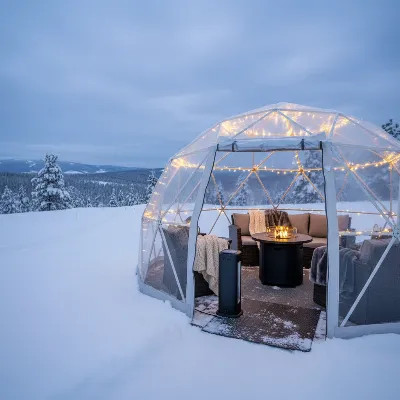 A safe electric heater installed in a cozy gazebo tent with side walls and insulated flooring, during winter.
Maintenance for Winter Warmth
Regular maintenance ensures your heating system operates efficiently and safely throughout the winter.
Regular Inspection
Before each use, and periodically throughout the season, inspect your heater for any signs of wear, damage, or malfunction. Check electrical cords for fraying, fuel lines for leaks, and ensure all components are in good working order. Any damage should prompt immediate repair or replacement.
Cleaning
Keep your heaters clean from dust, debris, and spiderwebs, especially around heating elements and vents. Blocked vents can reduce efficiency and create fire hazards.
Snow Removal
If your gazebo tent is exposed to snow, regularly brush snow off the canopy. Pop-up gazebos, in particular, are not designed to support heavy snow loads, and accumulation can lead to structural damage or collapse, potentially damaging heaters or causing other hazards.
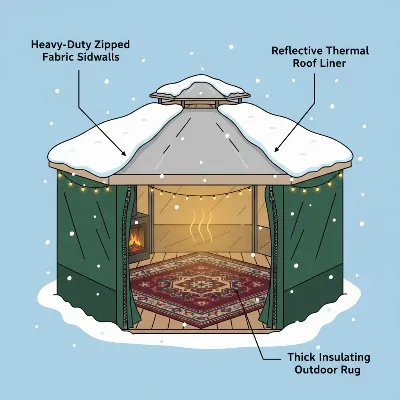 Various insulation layers applied to a gazebo tent for winter, including sidewalls, flooring, and roof covering.
Conclusion
Transforming your gazebo tent into a winter sanctuary is entirely achievable with careful planning and adherence to safety guidelines. By opting for appropriate heating methods like electric or infrared heaters, prioritizing insulation through sidewalls and flooring, and maintaining vigilant ventilation with carbon monoxide detectors, you can create a warm, inviting outdoor space. Safety is always paramount, ensuring that your winter wonderland remains a place of comfort and joy.
Will your gazebo tent be ready to embrace the frosty beauty of winter this year?
Frequently Asked Questions
What are the safest types of heaters for an enclosed gazebo tent?
For enclosed gazebo tents, electric and infrared heaters are generally the safest options. They do not produce carbon monoxide or open flames, significantly reducing risks compared to fuel-burning alternatives. Always ensure they are outdoor-rated and positioned with proper clearance from combustible materials.
How much ventilation is required when using a gas heater in a gazebo?
When using a gas heater in a gazebo, critical ventilation is required. Experts recommend ensuring at least 25% of the surrounding area remains open to allow for adequate airflow and prevent carbon monoxide buildup. Cross-ventilation with multiple openings is highly advisable, and a CO detector is essential.
Can I use a regular indoor space heater in my gazebo?
No, it is unsafe to use a regular indoor space heater in an outdoor gazebo. Indoor heaters are not designed to withstand outdoor conditions, may pose electrical hazards with moisture, and typically lack the safety features needed for a semi-enclosed, less stable environment. Always use outdoor-rated heating equipment.
What are effective ways to insulate a gazebo tent for winter?
Effective gazebo insulation includes installing heavy-duty, weather-resistant sidewalls or curtains to block wind and retain heat. Insulating the floor with thick outdoor rugs, rubber mats, or wooden tiles also significantly reduces heat loss from the ground. Sealing any small gaps in the structure further enhances warmth.
How do I prevent carbon monoxide poisoning in my heated gazebo?
To prevent carbon monoxide poisoning, never use fuel-burning heaters (propane, natural gas) in fully enclosed gazebos. For any fuel-burning device, ensure robust and continuous ventilation. Crucially, always install a battery-operated carbon monoxide detector inside the gazebo and check its function regularly.
Is it safe to leave a heater running overnight in a gazebo?
It is generally not recommended to leave any heater running overnight in a gazebo, especially if you or others are sleeping inside. The Consumer Product Safety Commission (CPSC) explicitly advises against using portable heaters while sleeping in enclosed spaces due to the risk of carbon monoxide poisoning and fire.
Frequently Asked Questions
What are the safest types of heaters for an enclosed gazebo tent?
For enclosed gazebo tents, electric and infrared heaters are generally the safest options. They do not produce carbon monoxide or open flames, significantly reducing risks compared to fuel-burning alternatives. Always ensure they are outdoor-rated and positioned with proper clearance from combustible materials, typically 3-5 feet above and 3 feet around.
How much ventilation is required when using a gas heater in a gazebo?
When using a gas heater in a gazebo, critical ventilation is required. Experts recommend ensuring at least 25% of the surrounding area remains open to allow for adequate airflow and prevent carbon monoxide buildup. Cross-ventilation with multiple openings is highly advisable, and a CO detector is essential for safety.
Can I use a regular indoor space heater in my gazebo?
No, it is unsafe to use a regular indoor space heater in an outdoor gazebo. Indoor heaters are not designed to withstand outdoor conditions, may pose electrical hazards with moisture, and typically lack the safety features needed for a semi-enclosed, less stable environment. Always use outdoor-rated heating equipment for safety and durability.
What are effective ways to insulate a gazebo tent for winter?
Effective gazebo insulation includes installing heavy-duty, weather-resistant sidewalls or curtains made from materials like 500 g/mu00b2 polyester to block wind and retain heat. Insulating the floor with thick outdoor rugs, rubber mats, or wooden tiles also significantly reduces heat loss from the ground. Sealing any small gaps in the structure further enhances warmth.
How do I prevent carbon monoxide poisoning in my heated gazebo?
To prevent carbon monoxide poisoning, never use fuel-burning heaters (propane, natural gas) in fully enclosed gazebos. For any fuel-burning device, ensure robust and continuous ventilation, maintaining at least 25% open area. Crucially, always install a battery-operated carbon monoxide detector inside the gazebo and check its function regularly.
Is it safe to leave a heater running overnight in a gazebo?
It is generally not recommended to leave any heater running overnight in a gazebo, especially if you or others are sleeping inside. The Consumer Product Safety Commission (CPSC) explicitly advises against using portable heaters while sleeping in enclosed spaces due to the risk of carbon monoxide poisoning and fire, which can be fatal.
How to Safely Heat Your Gazebo Tent in Winter
Learn how to safely heat your gazebo tent during winter by choosing appropriate heaters, insulating effectively, and ensuring proper ventilation to prevent hazards.
Select electric or infrared heaters for enclosed gazebos as they produce no carbon monoxide or open flames. Propane/gas heaters are only suitable for very open-sided gazebos with at least 25% continuous ventilation due to high CO and fire risks.
Install heavy-duty, weather-resistant sidewalls or curtains to block wind and retain heat. Insulate the floor with thick outdoor rugs, rubber mats, or wooden tiles to prevent heat loss from the ground. Seal any small gaps or loose seams in the structure.
Maintain significant openings, such as partially open sidewalls, especially when using fuel-burning heaters. Establish cross-ventilation with at least two openings on opposite sides to create continuous airflow. Even electric heaters benefit from some airflow to reduce condensation.
Always place a battery-operated carbon monoxide detector strategically within the gazebo, particularly when using any fuel-burning heater. Check its batteries regularly and know the symptoms of CO poisoning to ensure immediate evacuation if the alarm sounds.
Adhere strictly to manufacturer instructions for heater installation, operation, and clearance distances (typically 3-5 feet above and 3 feet around). Place heaters on stable, non-flammable surfaces away from high-traffic areas. Regularly inspect and clean heaters, and remove snow from the gazebo canopy.

Carbon monoxide detection was something I hadn’t even considered for a gazebo heater, so I’m really glad that was highlighted. We use our gazebo year-round for family dinners, and safety is paramount. We ended up getting an electric heater and a CO detector, and now I feel much more secure letting the kids hang out there even when it’s chilly. Great advice!
This was super helpful! I’ve been trying to figure out the best way to keep our event tent warm for a winter party. The emphasis on robust insulation strategies, like insulated flooring, really resonated. We invested in some good floor mats and a decent electric heater, and it made a huge difference. It wasn’t tropical, but it was definitely comfortable enough for everyone.
I was really hesitant about using a heater in my gazebo, but the tips here about electric heaters put my mind at ease. We got a small electric radiant heater for our backyard gazebo, and it’s been a game-changer for evening gatherings. It warms up the space surprisingly well, especially with our heavy-duty sidewalls. Definitely recommend this approach for anyone wanting to extend their outdoor season.
I tried one of the recommended infrared heaters for my gazebo, and while it did provide some warmth, I found it wasn’t quite as effective as I hoped for really cold nights. It’s good for taking the edge off, but if you’re looking for serious heat in freezing temps, you might need something more powerful or better insulation than I have. Still, it’s safe, which is the main thing.