Choosing between a hardtop and soft top gazebo tent is a crucial decision that impacts durability, maintenance, and enjoyment of your outdoor space. Hardtop gazebos feature solid, rigid roofs made from materials like galvanized steel or aluminum, offering superior strength and year-round weather protection for 10-20+ years. Soft top gazebos, conversely, use fabric canopies over lighter frames, providing flexible, affordable shade for seasonal use, typically lasting 2-5 years before canopy replacement. Understanding these key differences will help you select the ideal structure for your lifestyle, climate, and budget.
Types of Gazebo Tents
Gazebo tents come in various designs, primarily categorized by their roof structure. The roof material is the defining characteristic that determines the gazebo’s permanence, weather resistance, and aesthetic. Understanding these foundational types is the first step in making an informed decision for your outdoor space.
Hardtop Gazebos
Hardtop gazebos feature a solid, rigid roof crafted from durable materials such as galvanized steel, aluminum, or polycarbonate panels. These structures are engineered for superior strength and are intended as permanent or semi-permanent additions to your landscape. Their robust construction allows them to withstand challenging weather conditions, including heavy rain, snow loads, and strong winds, offering reliable shelter year-round. The frames of hardtop gazebos are typically made from sturdy metals like steel or aluminum, often powder-coated for rust resistance, or sometimes from durable woods. They provide a robust foundation, making them an excellent choice for creating a lasting outdoor living area.
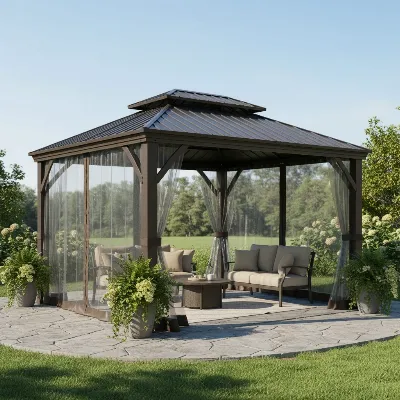 A robust hardtop gazebo with a galvanized steel roof, designed for permanent outdoor living and superior weather protection.
Soft Top Gazebos
Soft top gazebos, in contrast, utilize a fabric canopy—commonly made from polyester or canvas—stretched over a lighter metal frame. These gazebos are designed for greater flexibility and affordability, making them a popular choice for seasonal use or temporary shade solutions. Their lightweight nature facilitates easier assembly, disassembly, and relocation, ideal for events, garden parties, or providing quick shade when needed. While offering protection from sunlight and light rain, soft top gazebos are generally not built to endure harsh weather conditions like heavy snowfall or strong winds. Their appeal lies in their versatility and lower initial cost, providing a convenient option for temporary outdoor comfort.
Advantages and Disadvantages of Gazebo Tents
Both hardtop and soft top gazebos offer distinct benefits and drawbacks, making the “best” choice highly dependent on individual needs and priorities. Weighing these factors carefully will help you determine which type of gazebo tent is the optimal fit for your outdoor sanctuary.
Advantages
|
Our Picks for the Best Gazebo Tent in 2026
As an Amazon Associate I earn from qualifying purchases.
|
||
| Num | Product | Action |
|---|---|---|
| 1 | Screen House Tent 12x12ft Screen Room Mesh Gazebos w/ 2 Zipper Doors, Camping Tent Screened Canopy Shelter for Outdoor Patios Backyards Activities |

|
| 2 | Alvantor® Screen House Gazebo, Pop Up Igloo Screened Canopy Tent with Mosquito Netting Sides, Instant UV Resistant Sun Shelter for Garden, Patio, Backyard 2-6-10-15 Person |
|
| 3 | 12'x12' Camping Screen Tent - Portable Screen Canopy 8-10 Person&Instant UV Resistant Sun Shelter,Easy to Set Up&Mosquito Net Tent&Waterproof,Suitable for Family Camping Trip,Backyard,Picnic |
|
| 4 | LEEDOR Pop Up Screen House, 6-10-15 Person Outdoor Screen Tent,Camping Screen Room with Carry Bag, Screened Gazebo with Mosquito Netting, Instant UV Resistant Sun Shelter for Garden, Patio, Backyard |
|
| 5 | East Oak 12×12 FT Pop Up Canopy Tent with Mesh | Outdoor Screen House with 6 Sunshades | Instant Canopy with Portable Carry Bag | Gazebo Tent for Camping, Patio, and Beach | Beige |
|
| 6 | Alvantor® Screen House Gazebo, Pop Up Igloo Screened Canopy Tent with Mosquito Netting Sides, Instant UV Resistant Sun Shelter for Garden, Patio, Backyard 2-6-10-15 Person |
|
| 7 | VEVOR 6 x 6 ft Pop up Screen House Tent, 4-6 Person Portable Screen Gazebo, with Carry Bag, Netting Sides & Ground Stakes, Quick Setup, Screened Canopy for Garden, Patio & Backyard, and Outdoor, Beige |
|
| 8 | East Oak Screen House Tent Pop-Up, Portable Screen Room Canopy Instant Screen Tent 10 x 10 FT with Carry Bag for Patio, Backyard, Deck & Outdoor Activities, Beige |
|
| 9 | Gazelle Tents™, G6 6-Sided Portable Gazebo, Easy Pop-Up Hub Screen Tent, Durable, TriTech Mesh, Waterproof, UV Resistant, 8-Person & Table, Desert Sand, 86" x 124" x 124", GG602DS |
|
| 10 | Alvantor® Screen House Gazebo, Pop Up Igloo Screened Canopy Tent with Mosquito Netting Sides, Instant UV Resistant Sun Shelter for Garden, Patio, Backyard 2-6-10-15 Person |
|
Gazebos, regardless of roof type, inherently elevate outdoor spaces, offering both practical utility and aesthetic appeal. They provide a dedicated area for relaxation and entertainment, extending your home’s usable living space into the fresh air.
- Weather Protection: Gazebos serve as excellent shields against the elements. Soft top models primarily offer shade from the sun and shelter from light rain, making outdoor activities more comfortable on pleasant days. Hardtop gazebos, however, provide comprehensive protection against intense UV rays, heavy rain, significant snow loads, and high winds, ensuring year-round usability and safeguarding your outdoor furniture.
- Creating Relaxation Spaces: A gazebo transforms an open yard into a defined, inviting area for leisure. Whether you envision a cozy reading nook, an al fresco dining spot, or a sheltered space for a hot tub, a gazebo provides the structure and ambiance to realize your outdoor dreams. It creates a sense of enclosure and privacy, making the space feel like an extension of your home.
- Enhancing Aesthetic Appeal: Beyond their functional benefits, gazebos significantly boost the visual appeal of your property. They act as a focal point, adding architectural interest and elegance to your garden or patio. Hardtop gazebos, with their more permanent and robust designs, can even increase your home’s property value, offering a sophisticated and integrated look that complements your existing architecture.
Disadvantages
While gazebos bring numerous benefits, it’s also important to acknowledge their potential downsides. These often relate to the initial investment, ongoing care, and structural permanence.
- Cost: The initial purchase price is a major consideration. Soft top gazebos are significantly more affordable upfront, typically costing 40-60% less than their hardtop counterparts. However, this lower initial cost can be misleading in the long run, as soft top canopies often require replacement every 2-5 years due to wear and tear. Hardtop gazebos, while a larger initial investment, tend to be more cost-effective over a 10-year period due to their extended lifespan and minimal replacement needs.
- Maintenance Requirements: Maintenance varies drastically between the two types. Hardtop gazebos are known for being low maintenance, generally requiring only occasional cleaning of the roof and frame. Their durable materials resist rust, fading, and structural damage. Soft top gazebos, conversely, demand more frequent attention. The fabric canopy is vulnerable to UV damage, mildew, and wear from wind and rain, necessitating regular cleaning and potential re-waterproofing or replacement every few years.
- Portability (with fixed types): Hardtop gazebos are designed as stationary, fixed structures. Once installed, they are not easily moved or disassembled, limiting flexibility if you wish to reconfigure your outdoor space. Soft top gazebos, being lightweight and simpler to construct, offer high portability. They can be easily moved or stored during off-seasons or in anticipation of severe weather, providing a flexible solution for temporary shade or event use.
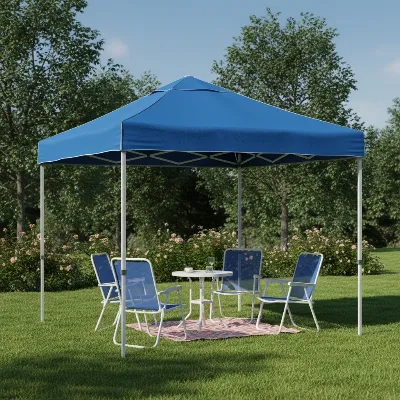 A lightweight soft top gazebo with a fabric canopy, showcasing its portability and ease of setup for temporary outdoor gatherings.
Comparison Table of Gazebo Types
To provide a clear overview, this table highlights the key differences between hardtop and soft top gazebos across various essential features, helping you quickly identify which type aligns best with your outdoor living aspirations.
| Feature | Hardtop Gazebo | Soft Top Gazebo |
|---|---|---|
| Durability | High (10-20+ years lifespan) | Medium (2-5 years lifespan for canopy) |
| Portability | Low (fixed structure) | High (seasonal, temporary) |
| Price (Initial) | Higher ($800 – $2,500+) | Lower ($200 – $800) |
| Long-term Value | Better (fewer replacements, adds property value) | Lower (frequent canopy replacements) |
| Weather Resistance | Superior (heavy snow, high winds, intense rain, UV) | Basic (light rain, sun, gentle winds) |
| Installation | Complex, often requires professional assistance | Easier, typically DIY friendly |
| Roof Material | Galvanized steel, aluminum, polycarbonate panels | Polyester, canvas, other durable fabrics |
| Frame Material | Robust steel, aluminum, treated wood | Lighter gauge powder-coated steel or aluminum |
| Maintenance | Low (occasional cleaning) | High (frequent cleaning, canopy inspection/replacement) |
| Typical Use | Year-round outdoor living, permanent installations, harsh climates | Seasonal shade, temporary events, mild weather conditions |
How to Choose a Gazebo Tent
Choosing the perfect gazebo tent involves a thoughtful evaluation of several factors beyond just the roof type. By considering your specific needs and environmental conditions, you can confidently select a gazebo that provides lasting enjoyment and functionality.
Determine Your Intended Use
Before anything else, clearly define what you intend to use your gazebo for. Are you looking for a permanent structure to host outdoor dinners, shelter a hot tub, or create an extension of your home’s living space year-round? If so, a hardtop gazebo with its superior durability and weather resistance is likely your best bet. Conversely, if you need a flexible, temporary shade solution for occasional backyard parties, picnics, or seasonal use in milder climates, a soft top gazebo offers affordability and ease of setup. Your primary purpose will guide many subsequent decisions, from material to size.
Choose the Right Size
The size of your gazebo should correspond to both the available space in your yard and its intended function. Measure your proposed location carefully, allowing ample room around the gazebo for pathways or other outdoor elements. Consider what you plan to place inside: a dining set for six, a comfortable lounge area, or a grill station. For example, a 10×12-foot gazebo might comfortably accommodate a medium-sized dining table, while a larger 12×16-foot model could host a more extensive lounge setup or an outdoor kitchen. Always visualize the space to ensure it meets your needs without overwhelming your yard.
Tent Material (Roof and Frame)
The materials chosen for both the roof and frame are critical to the gazebo’s longevity, aesthetic, and performance.
- Hardtop Roof Materials:
- Galvanized Steel: Offers exceptional strength, ideal for heavy snow loads and high winds. Look for powder-coated finishes to prevent rust.
- Aluminum: Lightweight and naturally rust-resistant, a good choice for durability without the bulk of steel. Polycarbonate panels are often incorporated with aluminum frames.
- Polycarbonate Panels: Provide excellent UV protection while allowing filtered light to pass through. They are durable and resistant to impact.
- Soft Top Canopy Materials:
- Polyester: A common choice for soft top canopies, often treated for UV resistance and water repellency.
- Canvas: Known for its durability and natural feel, though it may require more rigorous maintenance to prevent mildew.
- Frame Materials:
- Powder-Coated Steel: A popular, sturdy option for both hardtop and soft top frames, offering good strength and rust resistance.
- Aluminum: Lightweight, rust-resistant, and ideal for coastal areas. Often used for modern hardtop gazebos.
- Treated Wood (e.g., Cedar): Offers a natural, rustic aesthetic and is naturally resistant to rot, decay, and insects, making it suitable for durable hardtop structures.
Tent Frame
Beyond the roof, the quality and material of the gazebo’s frame are paramount for its stability and lifespan. For hardtop gazebos, a heavy-duty frame made of galvanized steel or robust aluminum ensures it can support the solid roof and withstand strong gusts. Look for frames with wide, anchored footings to secure the structure firmly to the ground. For soft top gazebos, while lighter frames are characteristic, a powder-coated steel frame still offers a good balance of durability and portability. Always check for corrosion-resistant finishes, as even minor scratches can lead to rust over time, especially in humid environments.
Additional Features
Modern gazebos often come with a variety of features that enhance comfort and functionality:
- Curtains and Netting: Side curtains offer privacy and additional sun protection, while mosquito netting keeps insects at bay, making your outdoor experience more enjoyable, especially in the evenings.
- Integrated Lighting: Many hardtop models include built-in LED lighting or ceiling hooks for hanging lamps, allowing you to use your gazebo after dark.
- Ventilation: Double-tiered roofs or vents improve airflow, crucial for dissipating heat and increasing stability in windy conditions.
- Electrical Outlets: Some premium gazebos include integrated electrical outlets and USB ports, perfect for charging devices, powering outdoor speakers, or running other electrical appliances.
Reputable Gazebo Tent Brands
Investing in a gazebo from a reputable brand ensures quality, durability, and reliable customer support. While the market offers many options, some manufacturers consistently stand out for their craftsmanship and innovative designs.
Sojag
Sojag is a Canadian company renowned for its stylish aluminum gazebos that blend modern aesthetics with robust functionality. Their hardtop gazebos often feature sturdy, rust-resistant aluminum frames and weather-resistant roofs, promising longevity without compromising on contemporary design. Sojag products are celebrated for their quality construction, making them a popular choice for homeowners seeking a permanent and elegant outdoor structure.
Sunjoy
As one of North America’s largest manufacturers of outdoor structures, Sunjoy offers an extensive range of gazebos, from convenient pop-up models to more elaborate permanent installations. They provide options for both hardtop and soft top designs, often incorporating features like netting, curtains, and advanced weather-resistant materials. Sunjoy is recognized for its wide selection and commitment to producing structures that enhance outdoor living spaces.
Backyard Discovery
Backyard Discovery specializes in durable outdoor equipment, including high-quality hardtop gazebos. Their gazebos often feature galvanized steel roofs known for exceptional strength, capable of withstanding significant snow loads and high winds. Many models are designed with powder-coated steel frames to resist rust and come with generous warranties, emphasizing their commitment to long-lasting products. They are a go-to for robust, all-weather solutions.
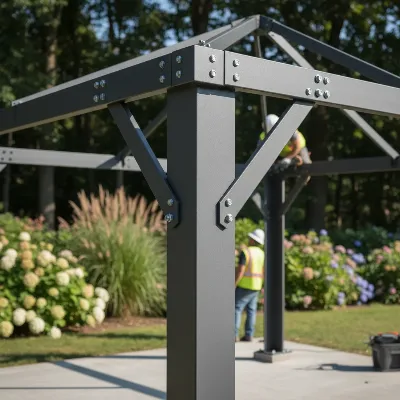 A close-up shot of a gazebo frame being constructed, highlighting the sturdy metal or wood components and structural integrity.
Tips for Gazebo Tent Maintenance and Cleaning
Proper maintenance and regular cleaning are essential to extend the lifespan of your gazebo tent, ensuring it remains a beautiful and functional addition to your outdoor space for many years.
Regular Cleaning
Regular cleaning prevents dirt, debris, and mildew from accumulating, which can degrade materials over time. For hardtop roofs made of metal or polycarbonate, a simple rinse with a garden hose followed by a gentle scrub with mild soap and water is usually sufficient. Pay attention to crevices where dirt might collect. For fabric soft tops, check the manufacturer’s instructions, as some materials require specific cleaning agents. Always ensure the fabric is completely dry before folding or storing to prevent mildew growth. Regularly sweep out any leaves or debris from inside the gazebo to keep the area tidy.
Storage When Not in Use
For soft top gazebos, especially in regions with harsh winters or extreme weather conditions, it is highly advisable to remove the fabric canopy when not in use or during off-seasons. Clean the canopy thoroughly, allow it to air dry completely, and store it in a cool, dry place to protect it from damage. While hardtop gazebos are designed for year-round exposure, inspecting them before winter for any potential weaknesses and clearing heavy snow accumulation from the roof is crucial to prevent structural stress or collapse.
Periodic Inspection and Repair
Proactive inspection can prevent minor issues from becoming major problems. Periodically check all nuts, bolts, and frame connections for looseness and tighten them as needed. Inspect the frame for any signs of rust or corrosion, touching up powder-coated surfaces to maintain their protective layer. For soft tops, look for small tears or fraying in the fabric and address them with repair kits promptly to prevent them from worsening. Regularly assessing the condition of your gazebo ensures its safety and extends its functional life.
“Choosing the right gazebo is about aligning your outdoor vision with practical realities. A hardtop offers year-round reliability, while a soft top provides flexible seasonality. Both, when chosen wisely, improve your outdoor experience.” – Admin, ReviewKari.com, Gazebo Specialist
Conclusion
The decision between a hardtop and soft top gazebo tent ultimately hinges on your specific needs, local climate, and long-term vision for your outdoor space. Hardtop gazebos stand as robust, permanent fixtures, offering unparalleled durability and year-round protection against harsh weather, albeit with a higher initial investment. They add significant aesthetic and property value, promising decades of low-maintenance enjoyment. Soft top gazebos, conversely, provide a flexible, cost-effective solution for seasonal shade and temporary gatherings, prioritizing portability and ease of setup. While demanding more frequent maintenance and canopy replacements, they offer a versatile option for milder climates. By carefully considering your desired level of permanence, weather resistance, budget, and maintenance commitment, you can confidently select the gazebo tent that will perfectly improve your outdoor area into a cherished extension of your home. Which type of gazebo do you envision enhancing your outdoor living this year?
Frequently Asked Questions
Can soft top gazebos withstand heavy snow or strong winds?
Soft top gazebos are generally not designed to withstand heavy snow or strong winds. Their fabric canopies can tear or collapse under significant weight or high gusts. It’s advisable to remove the canopy during harsh weather conditions to prevent damage.
How long do hardtop gazebos typically last compared to soft top models?
Hardtop gazebos have a significantly longer lifespan, often lasting 10-20 years or more with proper care, due to their durable materials like galvanized steel or aluminum. Soft top gazebos, in contrast, typically last 2-5 years, with the fabric canopy often requiring replacement every few seasons.
Are hardtop gazebos worth the higher initial investment?
For many homeowners, hardtop gazebos are worth the higher initial investment. Their superior durability, year-round usability, lower long-term maintenance costs, and potential to increase property value often make them more cost-effective over their extended lifespan compared to repeatedly replacing soft top canopies.
Can I install a hardtop gazebo myself, or do I need professional help?
While some smaller hardtop gazebos might be installed by experienced DIY enthusiasts, many larger or more complex models require professional installation. The weight of the materials, precision required for assembly, and need for secure anchoring often make professional assistance a safer and more efficient option.
What are the best materials for a gazebo frame to ensure durability?
For maximum durability, galvanized steel or powder-coated aluminum are excellent choices for gazebo frames. Steel offers superior strength for heavy loads and winds, while aluminum provides exceptional rust resistance, particularly in humid or coastal environments. Treated wood, such as cedar, also offers good durability with a natural aesthetic.
Frequently Asked Questions
Can soft top gazebos withstand heavy snow or strong winds?
Soft top gazebos are generally not designed to withstand heavy snow or strong winds. Their fabric canopies can tear or collapse under significant weight or high gusts, so it's advisable to remove the canopy during harsh weather conditions to prevent damage.
How long do hardtop gazebos typically last compared to soft top models?
Hardtop gazebos have a significantly longer lifespan, often lasting 10-20 years or more with proper care, due to their durable materials like galvanized steel or aluminum. Soft top gazebos, in contrast, typically last 2-5 years, with the fabric canopy often requiring replacement every few seasons.
Are hardtop gazebos worth the higher initial investment?
For many homeowners, hardtop gazebos are worth the higher initial investment. Their superior durability, year-round usability, lower long-term maintenance costs, and potential to increase property value often make them more cost-effective over their extended lifespan compared to repeatedly replacing soft top canopies.
Can I install a hardtop gazebo myself, or do I need professional help?
While some smaller hardtop gazebos might be installed by experienced DIY enthusiasts, many larger or more complex models require professional installation. The weight of the materials, precision required for assembly, and need for secure anchoring often make professional assistance a safer and more efficient option.
What are the best materials for a gazebo frame to ensure durability?
For maximum durability, galvanized steel or powder-coated aluminum are excellent choices for gazebo frames. Steel offers superior strength for heavy loads and winds, while aluminum provides exceptional rust resistance, particularly in humid or coastal environments. Treated wood, such as cedar, also offers good durability with a natural aesthetic.
How to Choose a Gazebo Tent
Choosing the perfect gazebo tent involves evaluating several factors to ensure it provides lasting enjoyment and functionality for your outdoor space.
Clearly define what you intend to use your gazebo for. A hardtop gazebo is best for permanent, year-round use like hosting dinners or sheltering a hot tub, while a soft top gazebo is ideal for flexible, temporary shade for occasional parties or seasonal use.
Measure your proposed location carefully, allowing ample room around the gazebo. Consider what you plan to place inside; for example, a 10x12-foot gazebo can accommodate a medium-sized dining table, while a 12x16-foot model suits a larger lounge area.
The roof and frame materials are critical for longevity. Hardtop roofs often use galvanized steel, aluminum, or polycarbonate panels, while soft top canopies are typically polyester or canvas. Frames should be robust, such as powder-coated steel, aluminum, or treated wood, for stability and resistance to elements.
Modern gazebos offer various enhancements. Look for features like side curtains or mosquito netting for privacy and insect protection, integrated LED lighting for evening use, ventilation systems for airflow, and electrical outlets for convenience.

We finally decided on a hardtop gazebo after reading about the longevity. The galvanized steel roof on ours has been fantastic through a few storms already. It was definitely an investment, but knowing it’s built to last 10-20+ years makes it worth every penny for our backyard patio. No more worrying about replacing canopies every few seasons!
This really helped me understand the difference between the two types. I’ve always just bought whatever was on sale, but now I get why the hardtop options are pricier. For our climate with lots of sun and occasional heavy rain, the superior strength of an aluminum roof sounds like the way to go for our next purchase. Good to know the pros and cons of each.
We needed something for seasonal use and didn’t want to break the bank, so a soft top was perfect. The flexibility of being able to take it down in the winter is great, and it provides plenty of shade for our pool area. It’s exactly what we needed for our budget and lifestyle, and it looks really nice too.
I went with a soft top gazebo for a summer party and it worked out okay. The fabric canopy was a bit thinner than I expected, and I can see why they only last 2-5 years. It was affordable for what I needed, but I’m already thinking about upgrading to something more permanent next year for better year-round protection.