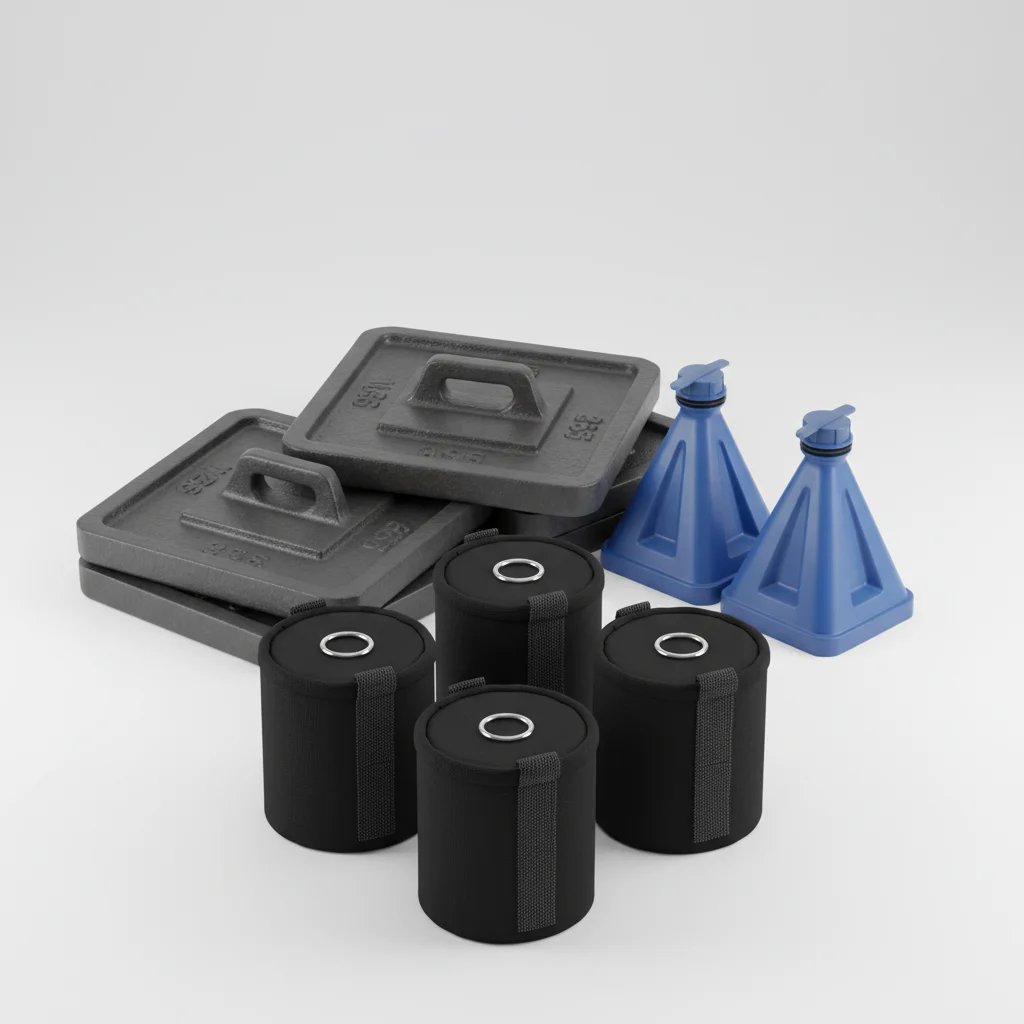
Ensuring your gazebo tent remains stable and secure, especially in unpredictable weather, hinges on using adequate weights. For most standard 10×10 or 12×12 pop-up gazebo tents, you’ll need a minimum of 20-25 pounds of weight per leg to provide sufficient stability against moderate winds. This ensures your outdoor shelter stays put, protecting your guests and belongings.
Understanding Weight Requirements for Different Gazebo Sizes
The amount of weight required for your gazebo tent isn’t a one-size-fits-all solution; it largely depends on the tent’s dimensions and the expected wind conditions. Smaller gazebos, like those used for backyard picnics, might manage with lighter weights, while larger commercial-grade tents or those used in open, windy areas demand significantly more. Always err on the side of caution and add more weight if strong gusts are anticipated.
Consider the material and construction of your gazebo as well. Heavier frames offer some inherent stability, but even these benefit greatly from additional anchoring. Lightweight aluminum frames, common in many pop-up models, are particularly susceptible to wind lift and require robust weighting solutions.
Types of Gazebo Tent Weights and Their Effectiveness
There are several effective options for weighting down your gazebo tent, each with its own advantages. Sandbags are a popular and cost-effective choice, easily filled and emptied for portability. Water weights offer similar flexibility and can be filled on-site, reducing transport weight. For a more permanent or heavy-duty solution, concrete blocks or specialized cast iron weights provide substantial anchoring.
- Sandbags: Affordable, portable, and easy to store.
- Water Weights: Convenient for on-site filling, but prone to leaks if punctured.
- Concrete Blocks: Very heavy and stable, but less portable and can be unsightly.
- Cast Iron Weights: Durable, compact, and provide significant downward force.
- Weight Plates: Designed to fit around gazebo legs, offering a clean look.
DIY vs. Commercial Gazebo Weight Solutions
|
Our Picks for the Best Gazebo Tent in 2026
As an Amazon Associate I earn from qualifying purchases.
|
||
| Num | Product | Action |
|---|---|---|
| 1 | East Oak 12×12 FT Pop Up Canopy Tent with Mesh | Outdoor Screen House with 6 Sunshades | Instant Canopy with Portable Carry Bag | Gazebo Tent for Camping, Patio, and Beach | Beige |

|
| 2 | Gazelle Tents™, G6 6-Sided Portable Gazebo, Easy Pop-Up Hub Screen Tent, Durable, TriTech Mesh, Waterproof, UV Resistant, 8-Person & Table, Desert Sand, 86" x 124" x 124", GG602DS |
|
| 3 | 12'x12' Camping Screen Tent - Portable Screen Canopy 8-10 Person&Instant UV Resistant Sun Shelter,Easy to Set Up&Mosquito Net Tent&Waterproof,Suitable for Family Camping Trip,Backyard,Picnic |
|
| 4 | Alvantor® Screen House Gazebo, Pop Up Igloo Screened Canopy Tent with Mosquito Netting Sides, Instant UV Resistant Sun Shelter for Garden, Patio, Backyard 2-6-10-15 Person |
|
| 5 | LEEDOR Pop Up Screen House, 6-10-15 Person Outdoor Screen Tent,Camping Screen Room with Carry Bag, Screened Gazebo with Mosquito Netting, Instant UV Resistant Sun Shelter for Garden, Patio, Backyard |
|
| 6 | VEVOR 6 x 6 ft Pop up Screen House Tent, 4-6 Person Portable Screen Gazebo, with Carry Bag, Netting Sides & Ground Stakes, Quick Setup, Screened Canopy for Garden, Patio & Backyard, and Outdoor, Beige |
|
| 7 | Alvantor® Screen House Gazebo, Pop Up Igloo Screened Canopy Tent with Mosquito Netting Sides, Instant UV Resistant Sun Shelter for Garden, Patio, Backyard 2-6-10-15 Person |
|
| 8 | Screen House Tent 12x12ft Screen Room Mesh Gazebos w/ 2 Zipper Doors, Camping Tent Screened Canopy Shelter for Outdoor Patios Backyards Activities |
|
| 9 | Alvantor® Screen House Gazebo, Pop Up Igloo Screened Canopy Tent with Mosquito Netting Sides, Instant UV Resistant Sun Shelter for Garden, Patio, Backyard 2-6-10-15 Person |
|
| 10 | East Oak Screen House Tent Pop-Up, Portable Screen Room Canopy Instant Screen Tent 10 x 10 FT with Carry Bag for Patio, Backyard, Deck & Outdoor Activities, Beige |
|
While commercial gazebo weights offer convenience and often a more aesthetic design, DIY solutions can be equally effective and budget-friendly. Filling sturdy canvas bags with sand or gravel creates functional weights. For a more robust DIY option, PVC pipes filled with concrete can be fashioned into custom weights that fit snugly around your gazebo legs. However, ensure any DIY solution is securely attached and won’t damage your tent’s frame.
Commercial options, such as those found at outdoor retailers, often feature durable materials and thoughtful designs that integrate seamlessly with your gazebo. They might include straps or clips for secure attachment, preventing slippage or detachment during windy conditions.
Securing Your Gazebo Tent in High Winds
Beyond just adding weight, proper anchoring techniques are crucial for securing your gazebo tent, especially when facing high winds. Always use guy ropes and stakes in conjunction with weights. Angle stakes away from the tent at a 45-degree angle for maximum holding power. Distribute weights evenly across all legs to prevent uneven stress on the frame. If winds are predicted to be severe, it’s always safest to dismantle your gazebo.
Regularly check the stability of your gazebo and its weights, particularly during prolonged outdoor events. Loose straps or shifting weights can compromise the entire structure. Investing in high-quality, durable weights and anchoring accessories will provide peace of mind and extend the life of your gazebo tent.
Maintenance and Storage of Gazebo Weights
Proper maintenance and storage of your gazebo weights will ensure their longevity and readiness for future use. For sand or water weights, ensure they are completely dry before storing to prevent mold or mildew growth. Store all weights in a cool, dry place away from direct sunlight to prevent material degradation. Regularly inspect straps and attachment points for wear and tear, replacing them as needed.
If using concrete or metal weights, check for any signs of rust or cracking and address them promptly. Keeping your weights in good condition not only prolongs their life but also ensures they perform optimally when you need them most, providing reliable stability for your gazebo tent.
