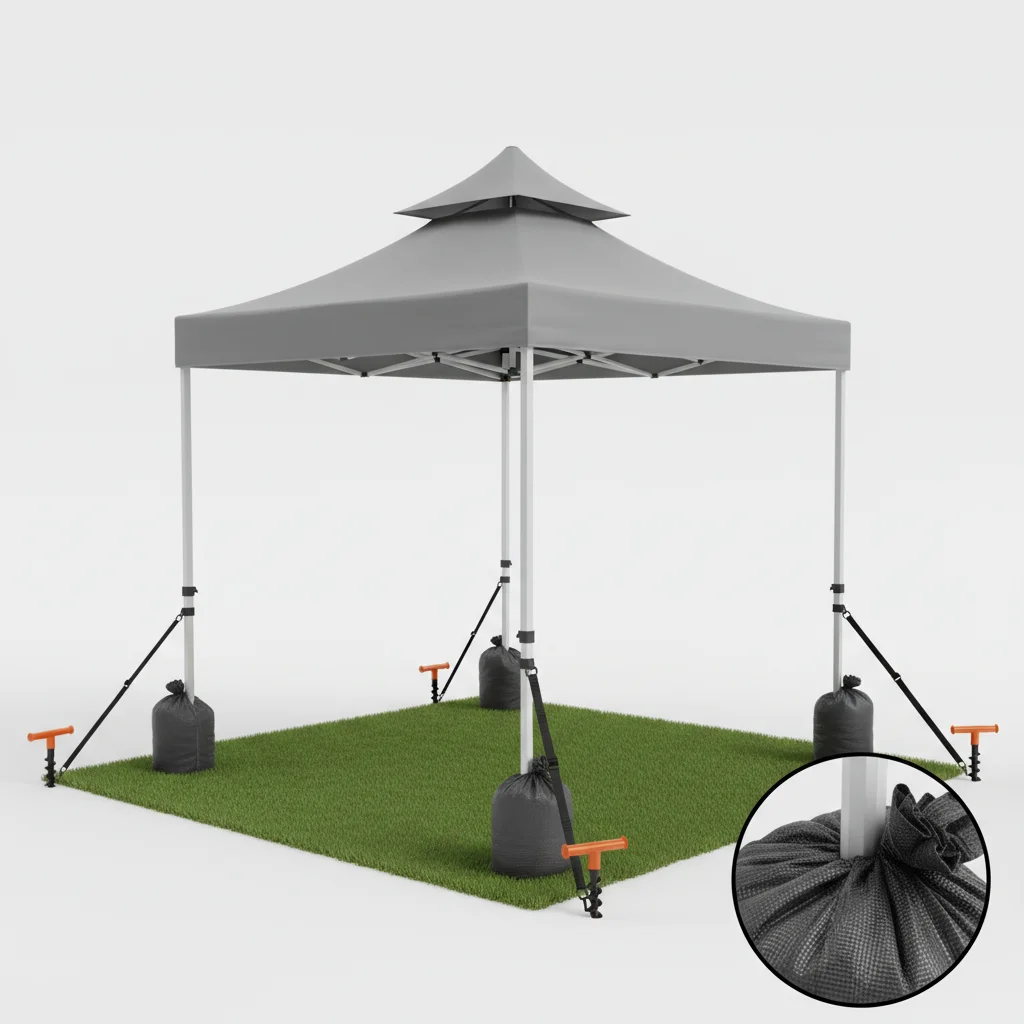
Ensuring gazebo tent safety, especially against unpredictable wind, is paramount for both the longevity of your shelter and the well-being of its occupants. There are five critical methods to secure your gazebo tent from wind, ranging from basic anchoring techniques to advanced stabilization strategies. Implementing these measures can prevent damage, injury, and the inconvenience of a collapsed or runaway tent.
Understanding Wind’s Impact on Gazebo Tents
Wind creates uplift and lateral forces that can easily compromise the stability of a gazebo tent. Lighter, more portable models are particularly susceptible, but even heavy-duty structures require proper anchoring. The design of the tent, including its canopy shape and frame material, also plays a role in how it withstands wind. A well-secured tent distributes these forces effectively, preventing stress points that could lead to structural failure. For more gazebo tents guides on this site.
Method 1: Heavy-Duty Stakes and Guy Ropes
The most fundamental approach to gazebo tent safety in windy conditions involves using heavy-duty stakes and guy ropes. Standard stakes often provided with tents are frequently inadequate for anything more than a gentle breeze. Upgrade to longer, thicker steel or rebar stakes that can penetrate deeper into the ground. Attach strong, reflective guy ropes to the tent’s frame at multiple points, extending them outwards at a 45-degree angle and securing them to the stakes. This creates a wide, stable base that resists both uplift and horizontal movement.
Method 2: Water or Sand Weight Bags
For surfaces where stakes cannot be used, such as concrete patios or decks, water or sand weight bags are an excellent alternative. These bags typically wrap around the legs of the gazebo tent, adding significant downward pressure. Each leg should have at least 20-30 pounds of weight, with more recommended for larger tents or very windy conditions. Ensure the bags are securely fastened to prevent them from shifting or detaching.
Method 3: Leg Anchors and Base Plates
|
Our Picks for the Best Gazebo Tent in 2026
As an Amazon Associate I earn from qualifying purchases.
|
||
| Num | Product | Action |
|---|---|---|
| 1 | Screen House Tent 12x12ft Screen Room Mesh Gazebos w/ 2 Zipper Doors, Camping Tent Screened Canopy Shelter for Outdoor Patios Backyards Activities |

|
| 2 | Alvantor® Screen House Gazebo, Pop Up Igloo Screened Canopy Tent with Mosquito Netting Sides, Instant UV Resistant Sun Shelter for Garden, Patio, Backyard 2-6-10-15 Person |
|
| 3 | Alvantor® Screen House Gazebo, Pop Up Igloo Screened Canopy Tent with Mosquito Netting Sides, Instant UV Resistant Sun Shelter for Garden, Patio, Backyard 2-6-10-15 Person |
|
| 4 | Alvantor® Screen House Gazebo, Pop Up Igloo Screened Canopy Tent with Mosquito Netting Sides, Instant UV Resistant Sun Shelter for Garden, Patio, Backyard 2-6-10-15 Person |
|
| 5 | East Oak 12×12 FT Pop Up Canopy Tent with Mesh | Outdoor Screen House with 6 Sunshades | Instant Canopy with Portable Carry Bag | Gazebo Tent for Camping, Patio, and Beach | Beige |
|
| 6 | Gazelle Tents™, G6 6-Sided Portable Gazebo, Easy Pop-Up Hub Screen Tent, Durable, TriTech Mesh, Waterproof, UV Resistant, 8-Person & Table, Desert Sand, 86" x 124" x 124", GG602DS |
|
| 7 | LEEDOR Pop Up Screen House, 6-10-15 Person Outdoor Screen Tent,Camping Screen Room with Carry Bag, Screened Gazebo with Mosquito Netting, Instant UV Resistant Sun Shelter for Garden, Patio, Backyard |
|
| 8 | 12'x12' Camping Screen Tent - Portable Screen Canopy 8-10 Person&Instant UV Resistant Sun Shelter,Easy to Set Up&Mosquito Net Tent&Waterproof,Suitable for Family Camping Trip,Backyard,Picnic |
|
| 9 | East Oak Screen House Tent Pop-Up, Portable Screen Room Canopy Instant Screen Tent 10 x 10 FT with Carry Bag for Patio, Backyard, Deck & Outdoor Activities, Beige |
|
| 10 | VEVOR 6 x 6 ft Pop up Screen House Tent, 4-6 Person Portable Screen Gazebo, with Carry Bag, Netting Sides & Ground Stakes, Quick Setup, Screened Canopy for Garden, Patio & Backyard, and Outdoor, Beige |
|
Permanent or semi-permanent gazebo tents can benefit from more robust leg anchors and base plates. These systems often involve drilling into concrete or decking and bolting the gazebo legs directly to the surface. Base plates, usually made of steel, provide a larger footprint for each leg, distributing the load more effectively and preventing the legs from sinking into soft ground. This method offers superior stability and is ideal for gazebos intended for long-term placement.
Method 4: Wind Panels and Side Walls
While primarily for privacy and weather protection, wind panels and side walls can also contribute to gazebo tent safety by reducing the direct impact of wind on the main canopy. By blocking wind from one or more sides, they can lessen the overall force exerted on the structure. However, it’s crucial to ensure these panels are securely attached and do not create a sail effect, which could increase wind resistance and potentially destabilize the tent. In very high winds, it might be safer to remove some panels to allow wind to pass through.
Method 5: Strategic Placement and Orientation
The location and orientation of your gazebo tent can significantly impact its vulnerability to wind. Position the tent in a spot that offers some natural windbreak, such as near a building or a dense hedge, but avoid areas that create wind tunnels. Orient the tent so that its strongest side or the side with the most robust anchoring faces the prevailing wind direction. Always check local weather forecasts and consider taking down your gazebo tent if severe weather, including strong winds, is predicted.
- Always use all available anchoring points on your gazebo tent.
- Regularly inspect stakes, ropes, and weights for wear and tear.
- Never leave a gazebo tent unattended in windy conditions.
- Consider a gazebo tent with a vented canopy for better wind resistance.
- Have a plan for quick disassembly if winds become too strong.
