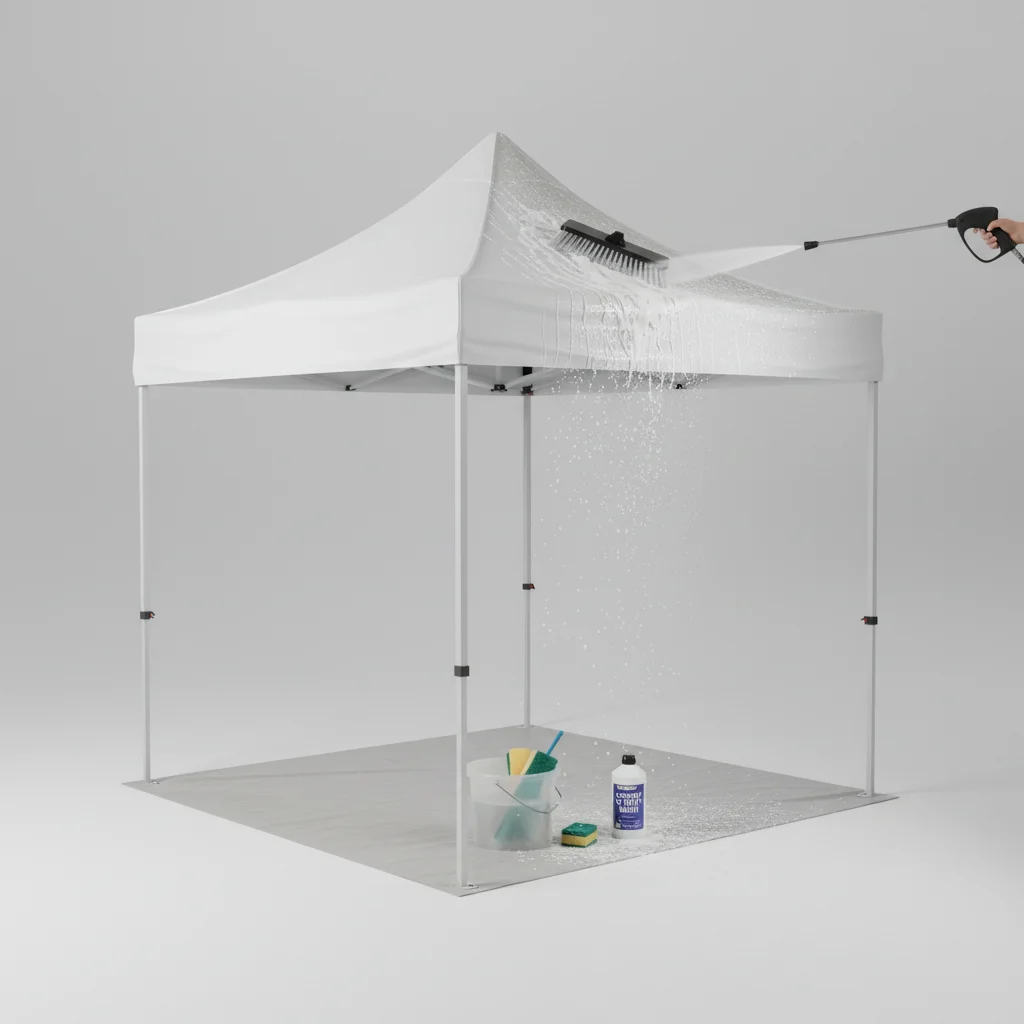
Maintaining a pristine gazebo tent canopy is crucial for its longevity and aesthetic appeal. Regular cleaning not only keeps your tent looking new but also prevents the buildup of mold, mildew, and stubborn stains that can degrade the fabric over time. This guide will walk you through the essential steps and products needed to effectively clean your gazebo tent, ensuring it remains a welcoming outdoor haven for years to come.
Understanding Your Gazebo Tent Fabric
Before you begin cleaning, it’s important to identify the type of fabric your gazebo tent is made from. Most gazebo canopies are constructed from polyester, often with a PVC or polyurethane coating for waterproofing, or sometimes canvas. Each material requires a slightly different approach to cleaning to avoid damage. Polyester is generally more resilient to harsh cleaners, while canvas can be more delicate and prone to shrinking or fading if not treated properly. Always check the manufacturer’s care instructions if available.
Gathering Your Cleaning Supplies
To effectively clean your gazebo tent, you’ll need a few basic supplies. These include a soft-bristle brush or sponge, two buckets (one for soapy water, one for rinsing), a garden hose with a spray nozzle, and a mild cleaning solution. For most fabrics, a mixture of warm water and a small amount of dish soap or a specialized outdoor fabric cleaner works best. Avoid using bleach or harsh detergents unless specifically recommended by the manufacturer, as these can strip protective coatings and damage the fabric.
- Soft-bristle brush or sponge
- Two large buckets
- Garden hose with spray nozzle
- Mild dish soap or outdoor fabric cleaner
- White vinegar (for mildew)
Step-by-Step Cleaning Process
|
Our Picks for the Best Gazebo Tent in 2026
As an Amazon Associate I earn from qualifying purchases.
|
||
| Num | Product | Action |
|---|---|---|
| 1 | East Oak 12×12 FT Pop Up Canopy Tent with Mesh | Outdoor Screen House with 6 Sunshades | Instant Canopy with Portable Carry Bag | Gazebo Tent for Camping, Patio, and Beach | Beige |

|
| 2 | East Oak Screen House Tent Pop-Up, Portable Screen Room Canopy Instant Screen Tent 10 x 10 FT with Carry Bag for Patio, Backyard, Deck & Outdoor Activities, Beige |
|
| 3 | Gazelle Tents™, G6 6-Sided Portable Gazebo, Easy Pop-Up Hub Screen Tent, Durable, TriTech Mesh, Waterproof, UV Resistant, 8-Person & Table, Desert Sand, 86" x 124" x 124", GG602DS |
|
| 4 | 12'x12' Camping Screen Tent - Portable Screen Canopy 8-10 Person&Instant UV Resistant Sun Shelter,Easy to Set Up&Mosquito Net Tent&Waterproof,Suitable for Family Camping Trip,Backyard,Picnic |
|
| 5 | Alvantor® Screen House Gazebo, Pop Up Igloo Screened Canopy Tent with Mosquito Netting Sides, Instant UV Resistant Sun Shelter for Garden, Patio, Backyard 2-6-10-15 Person |
|
| 6 | VEVOR 6 x 6 ft Pop up Screen House Tent, 4-6 Person Portable Screen Gazebo, with Carry Bag, Netting Sides & Ground Stakes, Quick Setup, Screened Canopy for Garden, Patio & Backyard, and Outdoor, Beige |
|
| 7 | Alvantor® Screen House Gazebo, Pop Up Igloo Screened Canopy Tent with Mosquito Netting Sides, Instant UV Resistant Sun Shelter for Garden, Patio, Backyard 2-6-10-15 Person |
|
| 8 | Alvantor® Screen House Gazebo, Pop Up Igloo Screened Canopy Tent with Mosquito Netting Sides, Instant UV Resistant Sun Shelter for Garden, Patio, Backyard 2-6-10-15 Person |
|
| 9 | Screen House Tent 12x12ft Screen Room Mesh Gazebos w/ 2 Zipper Doors, Camping Tent Screened Canopy Shelter for Outdoor Patios Backyards Activities |
|
| 10 | LEEDOR Pop Up Screen House, 6-10-15 Person Outdoor Screen Tent,Camping Screen Room with Carry Bag, Screened Gazebo with Mosquito Netting, Instant UV Resistant Sun Shelter for Garden, Patio, Backyard |
|
Start by removing the canopy from the gazebo frame if possible. Lay it flat on a clean, paved surface or a large tarp. Use the garden hose to thoroughly rinse off any loose dirt, leaves, or debris. Next, prepare your cleaning solution. For general cleaning, mix a few drops of mild dish soap with warm water in one bucket. Dip your soft-bristle brush or sponge into the soapy water and gently scrub the entire surface of the canopy, paying extra attention to any visible stains or areas with mildew. For stubborn mildew spots, a solution of equal parts white vinegar and water can be applied directly, allowed to sit for 10-15 minutes, then scrubbed.
Rinsing and Drying Your Canopy
Once you’ve scrubbed the entire canopy, use your garden hose to thoroughly rinse off all the soap residue. It’s crucial to remove all traces of soap, as any left behind can attract dirt and promote mildew growth. Rinse until the water runs clear. After rinsing, allow the canopy to air dry completely before reattaching it to the frame or storing it. Drying in direct sunlight can help speed up the process and further inhibit mildew. Ensure there is no moisture left in the fabric, especially in seams or folds, to prevent future mold and mildew issues.
Preventative Maintenance Tips
Regular preventative maintenance can significantly reduce the need for deep cleaning. Periodically brush off loose dirt and debris from your canopy. If you notice any small stains, address them immediately before they set in. Consider applying a fabric protector or water repellent specifically designed for outdoor fabrics after cleaning, especially if your tent is older or frequently exposed to the elements. This can help maintain its waterproof properties and make future cleaning easier. Always store your gazebo tent in a dry, well-ventilated area during the off-season or when not in use for extended periods.
