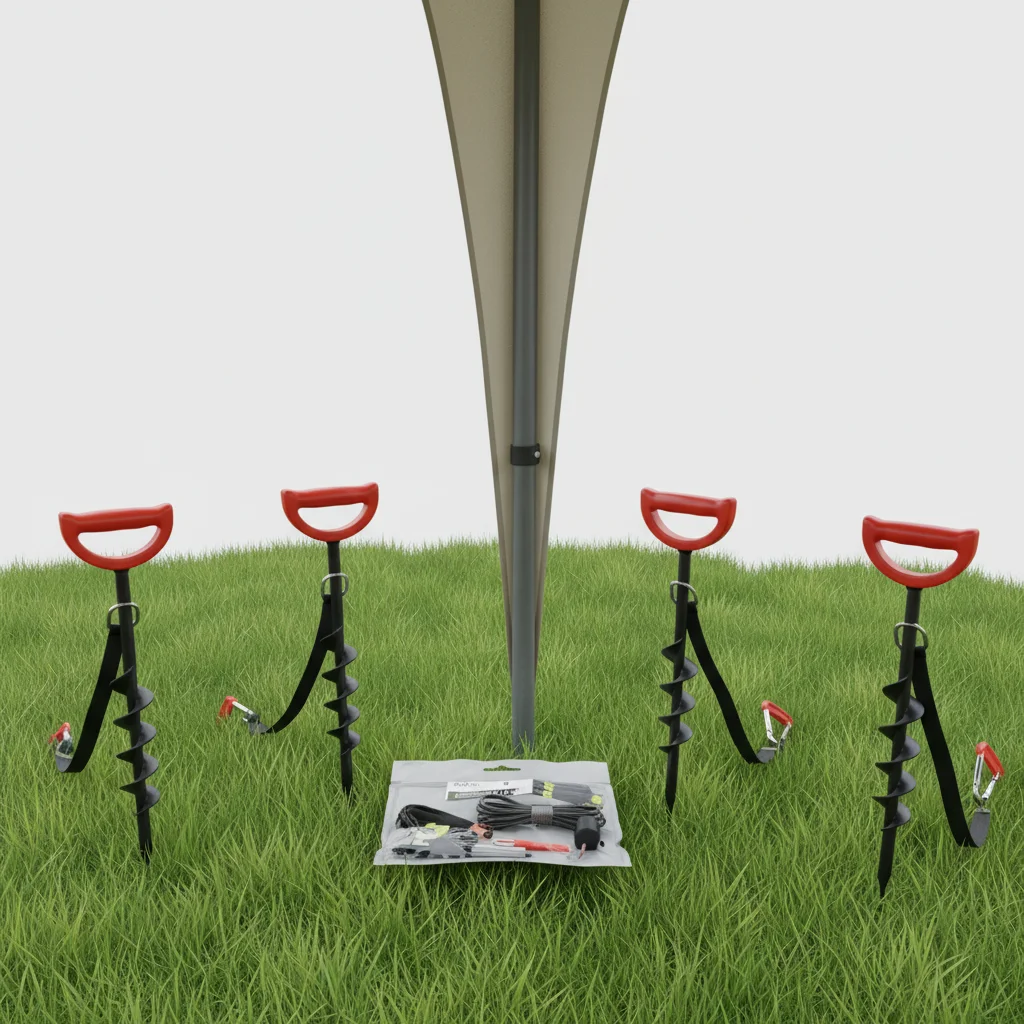
When anchoring a gazebo tent on grass, the most effective method involves a combination of stakes, guy ropes, and sandbags or weights, ensuring stability against moderate winds. This multi-pronged approach distributes tension and prevents uplift, crucial for both temporary setups and longer-term installations in your backyard or at events. Proper anchoring not only protects your investment but also ensures the safety of everyone underneath.
Understanding the Forces at Play
Gazebo tents, especially larger models, act like sails in windy conditions. The canopy catches the wind, creating uplift and lateral forces that can easily dislodge an improperly secured structure. The type of soil, the tent’s size, and the expected wind speeds all influence the best anchoring strategy. A light breeze might only require basic stakes, but anything stronger demands a more robust solution to prevent your gazebo from becoming a hazard.
Essential Tools for Grass Anchoring
To effectively anchor your gazebo tent on grass, you’ll need a few key items. Heavy-duty steel stakes, at least 10-12 inches long, are fundamental. Guy ropes, preferably reflective for visibility, provide additional tension points. For extra security, especially in areas prone to gusts, sandbags (filled with 25-50 pounds of sand each) or water weights are indispensable. A mallet or hammer will also be necessary for driving stakes into the ground.
- Heavy-duty steel stakes (10-12 inches minimum)
- Durable guy ropes with tensioners
- Sandbags or water weights (25-50 lbs each)
- Mallet or hammer for stake installation
- Measuring tape for proper placement
Step-by-Step Anchoring Process
|
Our Picks for the Best Gazebo Tent in 2026
As an Amazon Associate I earn from qualifying purchases.
|
||
| Num | Product | Action |
|---|---|---|
| 1 | Gazelle Tents™, G6 6-Sided Portable Gazebo, Easy Pop-Up Hub Screen Tent, Durable, TriTech Mesh, Waterproof, UV Resistant, 8-Person & Table, Desert Sand, 86" x 124" x 124", GG602DS |

|
| 2 | Alvantor® Screen House Gazebo, Pop Up Igloo Screened Canopy Tent with Mosquito Netting Sides, Instant UV Resistant Sun Shelter for Garden, Patio, Backyard 2-6-10-15 Person |
|
| 3 | VEVOR 6 x 6 ft Pop up Screen House Tent, 4-6 Person Portable Screen Gazebo, with Carry Bag, Netting Sides & Ground Stakes, Quick Setup, Screened Canopy for Garden, Patio & Backyard, and Outdoor, Beige |
|
| 4 | 12'x12' Camping Screen Tent - Portable Screen Canopy 8-10 Person&Instant UV Resistant Sun Shelter,Easy to Set Up&Mosquito Net Tent&Waterproof,Suitable for Family Camping Trip,Backyard,Picnic |
|
| 5 | East Oak 12×12 FT Pop Up Canopy Tent with Mesh | Outdoor Screen House with 6 Sunshades | Instant Canopy with Portable Carry Bag | Gazebo Tent for Camping, Patio, and Beach | Beige |
|
| 6 | Alvantor® Screen House Gazebo, Pop Up Igloo Screened Canopy Tent with Mosquito Netting Sides, Instant UV Resistant Sun Shelter for Garden, Patio, Backyard 2-6-10-15 Person |
|
| 7 | East Oak Screen House Tent Pop-Up, Portable Screen Room Canopy Instant Screen Tent 10 x 10 FT with Carry Bag for Patio, Backyard, Deck & Outdoor Activities, Beige |
|
| 8 | LEEDOR Pop Up Screen House, 6-10-15 Person Outdoor Screen Tent,Camping Screen Room with Carry Bag, Screened Gazebo with Mosquito Netting, Instant UV Resistant Sun Shelter for Garden, Patio, Backyard |
|
| 9 | Alvantor® Screen House Gazebo, Pop Up Igloo Screened Canopy Tent with Mosquito Netting Sides, Instant UV Resistant Sun Shelter for Garden, Patio, Backyard 2-6-10-15 Person |
|
| 10 | Screen House Tent 12x12ft Screen Room Mesh Gazebos w/ 2 Zipper Doors, Camping Tent Screened Canopy Shelter for Outdoor Patios Backyards Activities |
|
Begin by assembling your gazebo tent according to the manufacturer’s instructions. Once the frame is up and the canopy is attached, position the tent in your desired location. Drive stakes into the ground at a 45-degree angle, away from the tent legs, ensuring they are fully embedded. Attach guy ropes to the tent’s frame or designated anchor points, extending them outwards and securing them to additional stakes. Finally, place sandbags or weights over each leg base, providing downward pressure and preventing the legs from lifting. For optimal security, use at least one sandbag per leg.
Advanced Anchoring Techniques for High Winds
For situations with anticipated high winds, consider cross-bracing with additional guy ropes, creating an ‘X’ pattern from opposite corners. You can also use auger-style ground anchors, which screw deep into the earth, offering superior holding power compared to standard stakes. Always monitor weather conditions and be prepared to take down your gazebo if severe weather is expected. Regular checks of your anchoring system are crucial, as stakes can loosen over time, especially in soft or wet soil.Investing in a high-quality anchoring kit designed for your specific gazebo model can also provide enhanced security and peace of mind.
Maintenance and Safety Considerations
Periodically inspect your anchoring system for any signs of wear or loosening. Re-tighten guy ropes and re-drive stakes as needed. Ensure that all ropes are clearly visible to prevent tripping hazards, especially in low light conditions. Never leave your gazebo tent unattended during strong winds or storms, even if it’s well-anchored. Disassembling the tent is always the safest option when faced with extreme weather. Proper anchoring is not just about keeping your tent in place; it’s about ensuring a safe and enjoyable outdoor experience for everyone.
